Finding a Postal Benefits Counselor: A Guide for PSHB & Medicare Integration
Key Takeaways
- A Postal Benefits Counselor can provide critical, unbiased support as you transition to PSHB and coordinate with Medicare.
- Knowing where to find help and which questions to ask empowers you to make well-informed benefits decisions for your future.
The transition to the Postal Service Health Benefits (PSHB) Program, especially when paired with Medicare, can be challenging for many USPS employees and retirees. By using the expertise of a Postal Benefits Counselor, you can gain clarity on complex choices and deadlines—making your benefits transition less stressful and more manageable.
What Is a Postal Benefits Counselor?
Role of a benefits counselor
A Postal Benefits Counselor is someone specially trained to help USPS employees, retirees, and soon-to-be retirees understand and navigate federal health benefits programs. Their main goal is to translate detailed government policies into clear, step-by-step guidance. Counselors do not represent any insurance company, product, or carrier. Instead, they serve as an unbiased resource to educate you on your benefit options and help you avoid costly mistakes as you make decisions about your health coverage.
Key services counselors provide
You can expect a Postal Benefits Counselor to:
- Explain the basics and updates of PSHB and how they relate to your situation
- Guide you through enrollment steps and required forms
- Clarify how PSHB works with Medicare, especially as you turn 65 or beyond
- Offer checklists, timelines, and reminders for important deadlines
- Answer your questions about eligibility, coverage, and costs (within the limits of official guidance)
- Connect you to trustworthy federal resources if a question is outside their expertise
Why Seek Help With PSHB and Medicare?
Navigating recent PSHB changes
As of 2025, all USPS employees, annuitants, and eligible family members moved from the Federal Employees Health Benefits (FEHB) Program to the Postal Service Health Benefits (PSHB) Program. This change brings updated rules, new enrollment processes, and different timelines. Even if you were confident with FEHB in the past, PSHB enrollment and integration with Medicare may present situations you haven’t seen before. A benefits counselor ensures you don’t miss deadlines or misunderstand requirements during this transition.
Integrating Medicare and PSHB
For many, the key question is how Medicare (especially Part B) fits with new PSHB rules. A counselor helps you understand how enrolling in Medicare can coordinate with your PSHB coverage after you become eligible, including:
- When to enroll in each program based on your age and USPS status
- How premium payments and coverage might change
- Which parts of Medicare matter most for your situation
- How PSHB and Medicare claims work together
Their role is to help you see the big picture, not to make decisions for you.
How Do I Find a Counselor Near Me?
Contacting USPS Human Resources
USPS Human Resources (HR) is usually your first step in finding a Postal Benefits Counselor. Each USPS district has HR staff or dedicated benefits counselors assigned to assist with benefits inquiries:
- Call the USPS HR Shared Service Center at their toll-free number for assistance
- Ask your local postmaster or HR office about scheduled benefits fairs or counseling sessions
- Request the contact info for your area’s Postal Benefits Counselor via official USPS directories
Using OPM and official resources
The U.S. Office of Personnel Management (OPM) offers educational materials and sometimes hosts webinars for retirees and employees. While OPM staff do not provide individual counseling, they direct you to:
- Official fact sheets on PSHB and Medicare coordination
- Master lists of agency contacts
- Online tools to help with decision timelines
These resources help confirm what you learn from a counselor and keep you up to date on official requirements.
Community help and employee groups
Peer support can also make a difference. USPS unions, retired postal worker associations, and postal employee networks often arrange group sessions with benefits counselors. These events are helpful if you prefer learning in a small group and want to hear other people’s questions. Some organizations maintain lists of recommended counselors or offer step-by-step checklists online.
What Should I Ask My Counselor?
Enrollment questions to consider
When preparing for your session, consider asking:
- What steps do I need to complete and by what deadlines?
- How do I change from FEHB to PSHB, and is automatic enrollment ever an option?
- What forms are needed, and where do I send them?
Taking written questions and notes will help you make the most of your time with the counselor.
Clarifying Medicare requirements
Since coordination with Medicare can be confusing, questions like these are helpful:
- When am I required to enroll in Medicare as a USPS retiree or employee?
- What are the penalties for late Medicare enrollment?
- How do Part A, Part B, and optional parts relate to my new PSHB plan?
Counselors provide explanations but will not give advice or make choices for you.
Understanding PSHB enrollment periods
Ask your counselor which specific months matter most for you. For example:
- When is my PSHB enrollment window?
- If I delay enrollment, are there future opportunities or restrictions?
- How does my situation change if I’m covering family members?
Having these details laid out can help you avoid missed opportunities or late penalties.
Can I Access Counseling Remotely?
Virtual counseling options
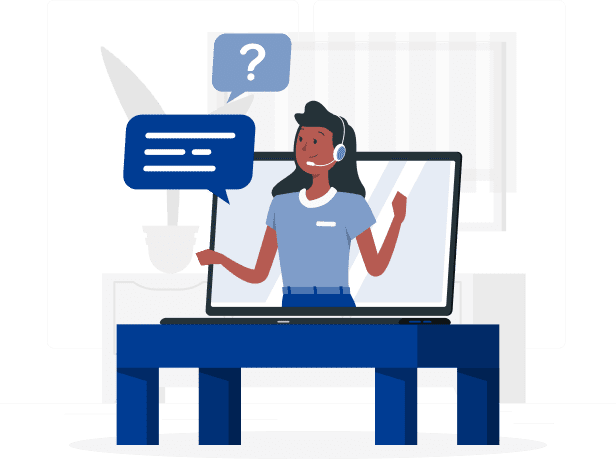
Many Postal Benefits Counselors now offer online counseling, which is helpful if you live far from a major USPS center. Webinars, interactive workshops, and one-on-one video calls are common, letting you access expert help from home.
Phone and online appointments
If you prefer phone or online meetings, ask your counselor or HR contact about availability. Secure platforms ensure your information remains private while giving you direct support. Appointments are often scheduled for 30 or 60 minutes, and you can follow up by email or through secure web portals.
Frequently Asked Questions
Costs of counseling services
Postal Benefits Counseling provided through official USPS channels, local HR offices, or recognized retiree associations is typically free of charge. Private services may charge a fee, but most employees and retirees can access impartial advice without cost.
Eligibility for assistance
Current USPS employees, retirees, and their eligible family members can seek help from a Postal Benefits Counselor. Eligibility may vary slightly by location or event, so check with your local HR office ahead of time.
How to prepare for your appointment
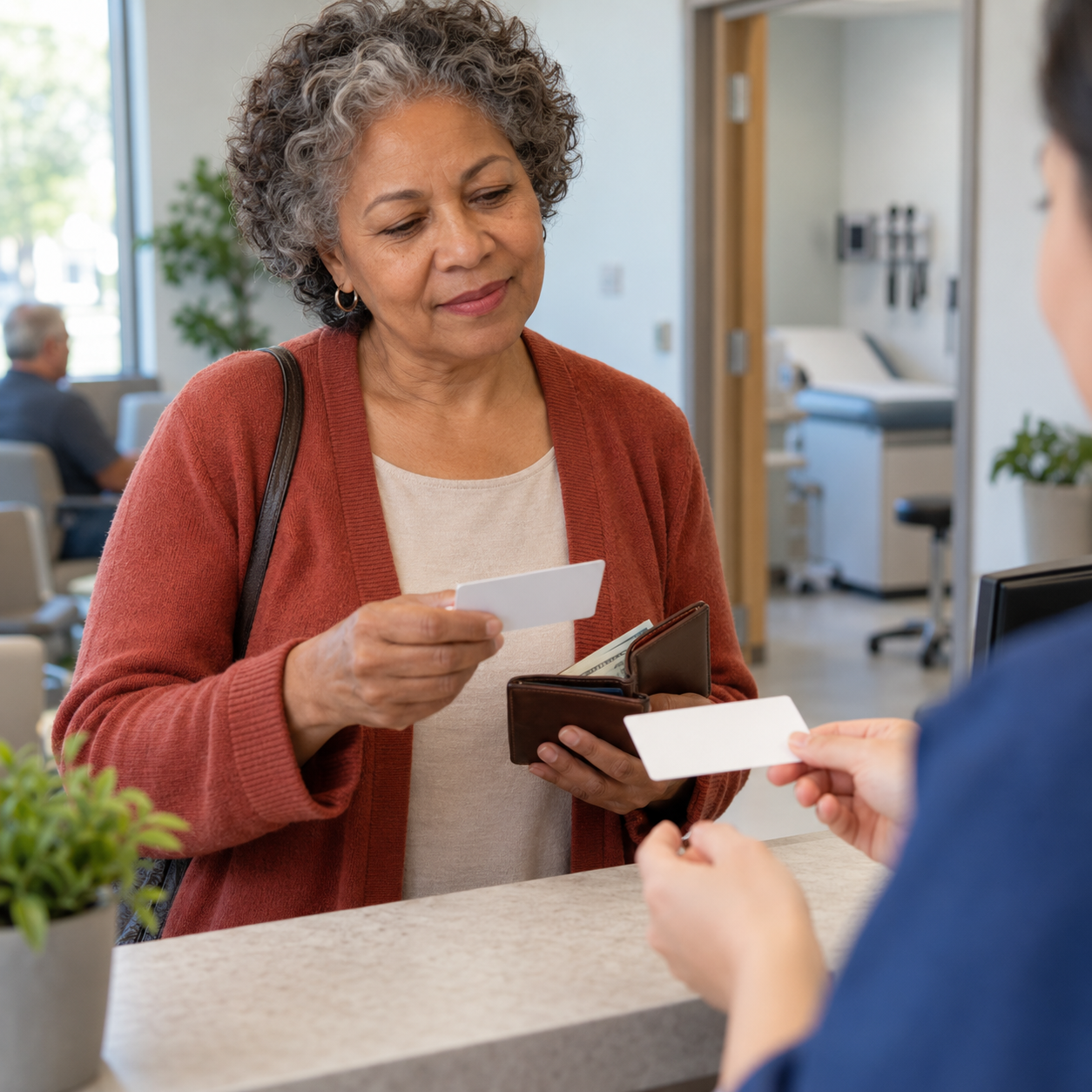
Before your session, organize relevant documents—such as your retirement paperwork, insurance cards, and a list of medications. Bring any letters from OPM, Medicare, or USPS regarding your benefits. Writing down your questions in advance ensures you cover every concern during your session.