Key Takeaways
- Understand DME criteria and integration rules between PSHB and Medicare for successful coverage.
- Prepare thoroughly and stay informed to avoid common DME claims mistakes in the 2026 benefits landscape.
Transitioning from FEHB to PSHB brings new questions about Durable Medical Equipment (DME) coverage, especially with changes in Medicare for 2026. This guide walks you through clear, neutral steps to help ensure you receive the benefits you’re eligible for without unnecessary delays or denials.
What Is DME Under PSHB?
Definition of Durable Medical Equipment
Durable Medical Equipment (DME) is any medically necessary device or supply designed to withstand repeated use and serve a medical purpose at home. DME includes items your healthcare provider prescribes to help with a medical condition. The Office of Personnel Management (OPM) recognizes DME as essential for a patient’s health, recovery, or daily functioning, but definitions vary slightly by health plan.
Covered Equipment Examples
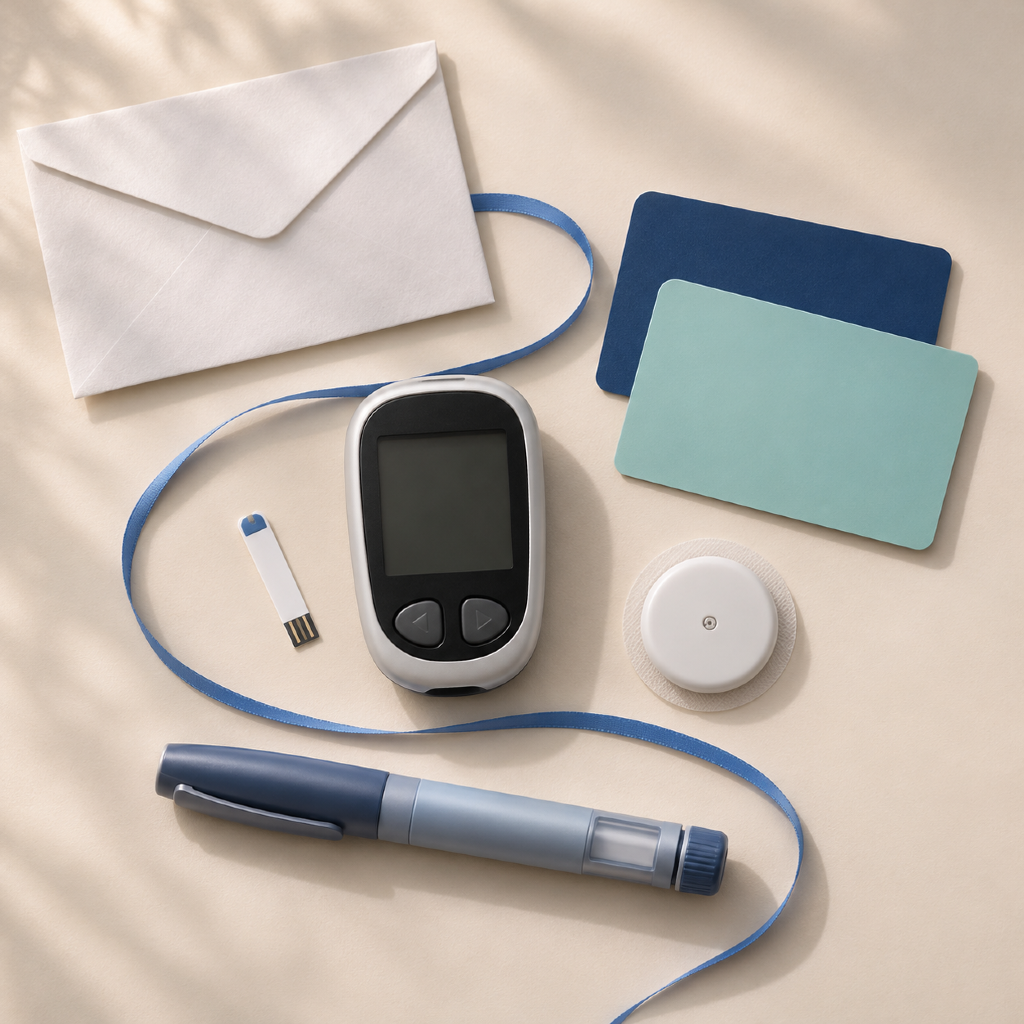
Common DME includes wheelchairs, walkers, hospital beds, oxygen equipment, and blood sugar monitors. To qualify, equipment must be durable, primarily used for a medical purpose, and appropriate for home use rather than in a hospital or skilled nursing facility. Some disposable items (like bandages) are not DME, while reusable devices can be.
DME Criteria With PSHB Plans
To be covered under PSHB, DME must:
- Be ordered or prescribed by a licensed healthcare provider.
- Be primarily and customarily used to serve a medical purpose.
- Be suitable for repeated use in the home.
Each PSHB plan may specify additional requirements, so review your plan’s summary or OPM-provided resources.
How Does Medicare Cover DME in 2026?
Medicare DME Basics Explained
Under Original Medicare (Part B), DME coverage is standardized and generally covers 80% of the approved amount after you meet the annual deductible. Medicare Advantage plans may cover DME, but guidelines and cost-sharing can vary. In every case, Medicare only pays for DME from enrolled suppliers and with a prescription.
Requirements for Medicare DME Claims
To submit a successful Medicare DME claim, you need a written prescription stating medical necessity. You must use a Medicare-enrolled supplier, provide all requested documentation, and ensure the equipment is on Medicare’s approved list. Claims lacking complete documentation or appropriate authorization may be denied.
Changes to Medicare DME Rules for 2026
As of 2026, some DME rules have been updated to reflect cost-control and coverage clarifications. Suppliers must maintain digital records, and OPM has aligned some documentation standards between PSHB and Medicare. Stay up to date by reviewing annual CMS and OPM updates or consulting plan resources.
What Are PSHB and Medicare Integration Rules?
Coordination of DME Benefits
If you are eligible for both PSHB and Medicare, your benefits will coordinate to streamline claims and payments. Typically, Medicare pays first, and your PSHB plan acts as secondary coverage, filling in cost gaps where eligible. However, claim filing order can change based on employment status or other unique circumstances.
Enrollment Timing Considerations
Enrollment periods matter for both programs. For most retirees, initial Medicare eligibility begins at age 65, while PSHB eligibility follows enrollment from the FEHB transition. Timely enrollment ensures seamless coordination—delays can cause coverage gaps or claim denials.
Who Pays First: PSHB or Medicare?
In most situations, if you are retired and enrolled in both Medicare and a PSHB plan, Medicare is your primary payer for DME. PSHB then covers remaining eligible costs according to plan details. If you are still working, PSHB may pay first. Use the OPM and Medicare coordination of benefits chart to confirm your situation.
Best Practices for DME Coverage Success
Preparing Documentation
Quality documentation streamlines DME claims. Gather and retain:
- A physician’s prescription stating medical necessity.
- Detailed records of your health condition and daily needs.
- Receipts or invoices from Medicare-enrolled suppliers.
Inaccurate or incomplete paperwork is a main reason for claim delays or denials.
Confirming Provider Participation
Not all suppliers participate in Medicare or PSHB networks. Always confirm that your provider or supplier enrolls with both Medicare and your PSHB plan before ordering equipment. This helps ensure coverage and limit out-of-pocket costs.
Following OPM’s DME Process Steps
The Office of Personnel Management shares a step-by-step process for DME coverage:
- Consult your healthcare provider for advice and prescriptions.
- Review your PSHB plan’s official documentation for DME requirements.
- Use only suppliers enrolled with both Medicare and your PSHB plan.
- Submit claims promptly, keeping copies of all submissions and correspondence.
How Can You Avoid Common DME Pitfalls?
Mistakes to Watch for in Claims
Common mistakes include missing signatures, selecting the wrong supplier, or filing with incomplete documentation. Double-check prescriptions for necessary information and never submit claims to the wrong payer.
Verifying Supplier Eligibility
Before acquiring any equipment, make sure your supplier is actively enrolled with both Medicare and your PSHB plan. This information is often available online through OPM or Medicare resources, or you can call directly to confirm.
Staying Informed on Policy Updates
DME regulations change. Sign up for OPM and Medicare newsletters or review annual plan documents to stay up to date on new requirements, deadlines, and benefit clarifications. Being proactive helps avoid unpleasant surprises in coverage.
What Questions Should You Ask About DME?
Key Enrollment and Coverage Queries
When considering or using DME, consider these important questions:
- Do I need specific forms or prescriptions?
- What is the claim-processing timeline?
- Does my chosen supplier meet all eligibility criteria?
Knowing these details helps prevent errors.
Contacting Plan Administrators
Plan administrators (from both PSHB and Medicare) can answer eligibility or claim-specific questions. Use official contact numbers and websites—never rely on third-party interpretations for decisive coverage details.
Using OPM and Medicare Resources
Official agency resources are the most accurate. OPM’s website, Medicare.gov, and downloadable plan comparison tools are updated annually. These sources offer the latest policy clarifications and contact points for questions or concerns.
FAQ: PSHB and Medicare DME in 2026
Who qualifies for DME coverage?
DME coverage is generally available to those enrolled in both PSHB and Medicare, with a documented medical need. Always verify eligibility with your provider and plan administrator.
What if you changed plans?
Changing between PSHB plans or from FEHB to PSHB might affect claim processing rules. Stay current on enrollment status and update your medical providers and suppliers promptly to maintain uninterrupted DME benefits.
How to appeal a denied claim?
If a DME claim is denied, you have appeal rights through both PSHB and Medicare. Appeals usually require a written statement, supporting documents, and adherence to stated deadlines found in your plan booklet or on official websites.