Key Takeaways
- Understand PSHB-dependent verification steps and required documents to maintain your federal retiree health coverage.
- Missing deadlines or incomplete documentation may impact eligibility; resources are available to support your verification process.
Did you know missing dependent verification may delay benefits for thousands of federal retirees each year? Understanding key dates and required documents can help avoid coverage disruptions. This guide breaks down PSHB dependent verification and helps you navigate eligibility, documentation, and appeals with confidence and clarity.
What Is PSHB Dependent Verification?
Overview of PSHB transition
The Postal Service Health Benefits (PSHB) Program officially began on January 1, 2025, transitioning eligible United States Postal Service (USPS) employees, retirees, and their dependents from the Federal Employees Health Benefits (FEHB) Program. This transition is a major update for federal benefit plans and brings important new verification requirements for covered family members. PSHB dependent verification ensures only eligible family members remain on your new health plan, supporting program integrity and compliance with federal regulations.
Who must verify dependents?
If you are a USPS retiree, employee, or eligible survivor who covers family members under your PSHB plan, you will be asked to verify the eligibility of each dependent listed on your policy. This applies to spouses, children under age limits, and other qualifying dependents. Not everyone needs dependent verification—for example, if you have self-only coverage, this step won’t be required.
Why Is Verification Required?
OPM and USPS requirements
The U.S. Office of Personnel Management (OPM) and USPS require dependent verification to ensure that only eligible individuals receive federal health benefits under the PSHB Program. This helps reduce errors, prevent fraud, and comply with federal benefit regulations as set by OPM. Verification is a standard practice when transitioning between programs and helps maintain the program’s financial health and fairness.
Potential consequences if skipped
Failing to complete dependent verification can have serious consequences. If you do not submit verification documents by the designated deadline, ineligible or unverified dependents may lose their health coverage. This can result in gaps in care or major out-of-pocket expenses for dependents removed from coverage.
Who Qualifies as an Eligible Dependent?
Definitions of eligible dependents
Generally, eligible dependents under the PSHB Program include:
- Your current spouse (by marriage recognized under state law)
- Your biological or adopted children under age 26
- Stepchildren under age 26, if they live with you and you claim them as dependents
- Certain foster children under age 26, if placed with you by an authorized agency
- Children of any age who are incapable of self-support due to a verified disability (with required documentation)
Common eligibility questions
Federal retirees and near-retirees often ask whether grandchildren, domestic partners, or former spouses are considered dependents. Unless a child lives in your household and meets strict OPM definitions, they are typically not eligible. Only court-recognized adoptions and placements count—guardianship alone is not enough. If you’re unsure, consult the PSHB or OPM guidance or your plan’s human resources office.
What Documents Are Needed?
Typical verification documents
You’ll need to gather official papers to verify dependent relationships. Commonly required documents include:
- Marriage certificates (for spouses)
- Birth certificates or adoption papers (for children)
- Court documents (for stepchildren or foster children)
- Proof of disability (for incapacitated adult children)
In some cases, you may also be asked for tax returns (for financial dependency verification), or legal residency documentation. All documents must be clear, legible, and up to date.
Tips for document submission
To ensure smooth verification:
- Submit certified copies—not originals—unless instructed otherwise.
- Redact Social Security numbers and financial details not needed for verification.
- Double-check that names and dates match exactly across all documents.
- Keep copies for your records in case you need to follow up.
How Do You Complete Verification?
Step-by-step verification process
- Review the list of your current dependents on the PSHB portal or mailer.
- Gather the required supporting documents for each dependent.
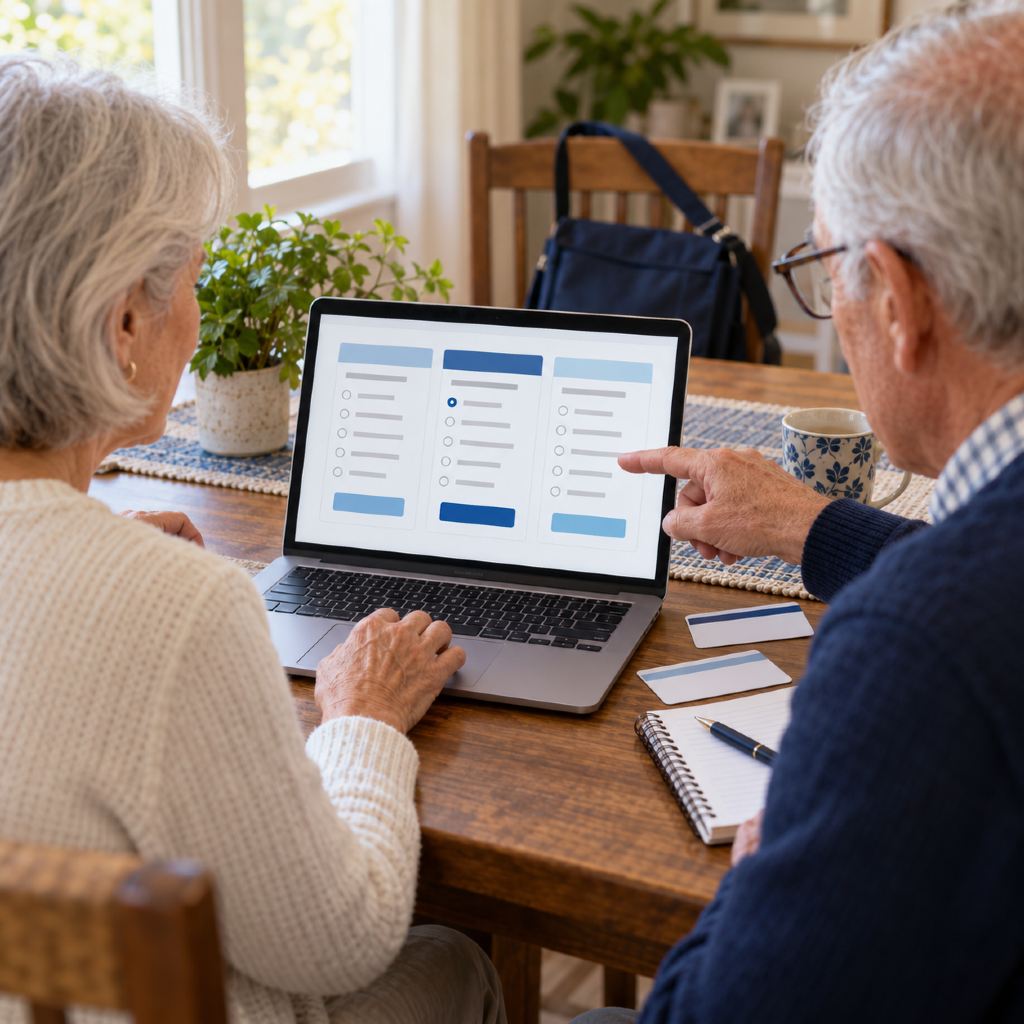
- Submit documents via the official verification portal, by mail, or as instructed by your plan administrator.
- Await confirmation or requests for additional information—monitor your USPS and email for updates.
- Respond promptly if they request more details to prevent coverage delays.
- Retain confirmation receipts for your records.
Where to find help if needed
If you have questions or face technical difficulties, you can:
- Contact the PSHB customer service line listed on your plan website or transition materials.
- Speak with your human resources office.
- Visit OPM’s official guidance pages for forms and walk-throughs.
Most programs also offer in-person supports or translation services if you need assistance.
When Are PSHB Deadlines and Key Dates?
Annual and transition deadlines
For the inaugural PSHB cycle in 2025, most dependents needed to be verified before the plan year started on January 1, 2025. For 2026 and subsequent years, OPM and USPS set an annual deadline for verification updates—usually aligning with Open Season or the coverage renewal window. Always refer to your plan’s mailings for the current year’s due dates.
Late verification considerations
Late or incomplete submissions can result in dependent removal from coverage. In some cases, late documentation may still be considered, but coverage could be delayed, or retroactive dates might not apply. Acting promptly and confirming receipt of documents greatly reduces these risks.
Can Verification Affect PSHB or FEHB Coverage?
How it impacts coverage status
Successfully verifying your dependents ensures they maintain health benefits throughout the plan year. Unverified dependents will lose access to PSHB (and, if applicable, FEHB) coverage. Be aware that dependents removed for non-verification typically cannot re-enroll until the next Open Season, unless a qualifying life event occurs.
Resources for continued eligibility
To sustain coverage, keep your records updated, respond quickly to requests for new information, and seek support from official resources. OPM’s online tools, PSHB customer service, and employee assistance programs are designed to address questions on continuing eligibility.
What If Your Dependent Is Denied?
Appeal and reconsideration basics
If a dependent is removed due to failed verification, you do have the right to appeal or request reconsideration. Carefully review notice letters for deadlines and appeal instructions. Submit all supporting documents and clarifications within the specified timeframe.
Where to go for guidance
For appeals, rely on:
- Official plan administrator instructions
- OPM’s published processes
- Your agency’s human resources office
These support channels can clarify next steps and direct you to additional documentation or resources needed for your situation.