Key Takeaways
- Successfully filing a PSHB claim involves clear eligibility checks, document gathering, accurate form completion, and careful submission.
- Understanding each step and required documentation helps prevent delays and ensures a smoother claims process for PSHB-covered retirees.
Each year, thousands of federal retirees navigate new claim processes—here’s a clear path for your 2026 PSHB claim. This guide will help you understand every step, what paperwork you’ll need, and how to make your submission as smooth as possible. Whether you’re new to the PSHB program or just want extra clarity, these plain-language instructions will support you at every stage.
What Is a PSHB Claim?
Definition of PSHB claim
A PSHB claim is a formal request for payment, reimbursement, or coverage consideration under the Postal Service Health Benefits (PSHB) Program. If you receive care, services, or medical supplies as a PSHB enrollee, you (or sometimes your provider) may need to file a claim if services are not billed directly to the plan or if there is a reimbursement question.
How PSHB differs from FEHB
While PSHB replaced FEHB coverage for most eligible USPS retirees starting January 1, 2025, the claims process has some familiar steps but a few important differences. Most notably, PSHB requirements are tailored specifically for postal retirees and are closely coordinated with Medicare for those 65 and older. Claim forms, submission addresses, and documentation expectations may differ slightly from former FEHB processes, so following the latest PSHB instructions is essential.
Why Might You Need to File?
Common claim scenarios
You may need to file a PSHB claim if:
- Your provider does not bill the plan directly
- You paid out of pocket for a covered service
- You received emergency care while traveling
- A claim was submitted incorrectly or not at all by a facility
Who can file a claim
PSHB claims can typically be filed by the primary covered member, a qualified dependent, or an authorized representative. In most circumstances, you’re responsible for providing all required information and supporting documents if you handled payment directly or want to appeal a processed claim.
What You’ll Need to Get Started
Required personal details
Prepare basic personal information such as:
- Your full name, date of birth, and contact details
- Your PSHB membership or ID number
- The patient’s information (if different)
Necessary documentation
You’ll need relevant documents to support the claim, including:
- An itemized bill from the provider
- Receipts showing what you paid
- A copy of your Explanation of Benefits (if any)
- Medical records or a doctor’s statement, in some cases
Step 1: Review Eligibility and Guidelines
Confirming PSHB enrollment
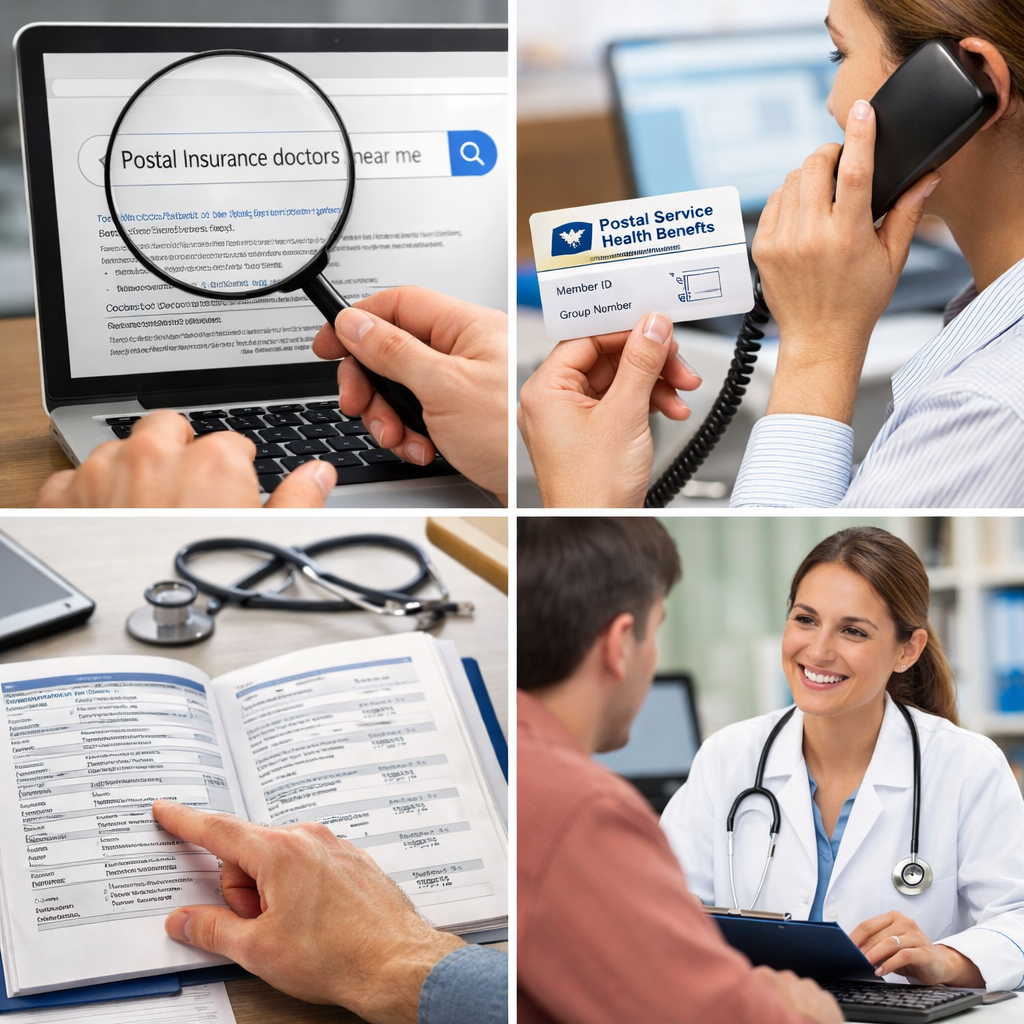
Before proceeding, confirm your current PSHB enrollment status. Double-check your ID card and account, or contact your plan administrator if you have questions about coverage dates or dependents.
Locating official claim resources
Obtain the correct PSHB claim forms and instructions. These are usually found on the official website of your PSHB plan administrator or through your USPS HR portal. Using outdated or FEHB-specific claim documents may cause processing delays.
Step 2: Collect Required Documents
Gathering medical records
For some claims—especially those involving complex care or international services—you may be asked to provide medical records, notes from your treating provider, or proof of medical necessity. Request these from your doctor’s office, hospital, or clinic if they are not already supplied.
Obtaining itemized bills
Make sure you have an itemized bill (not just a receipt of payment). An itemized bill lists the services provided, dates of care, provider information, and associated charges. It must be legible and show all relevant details required by PSHB.
Step 3: Complete the Claim Form
Filling out personal information
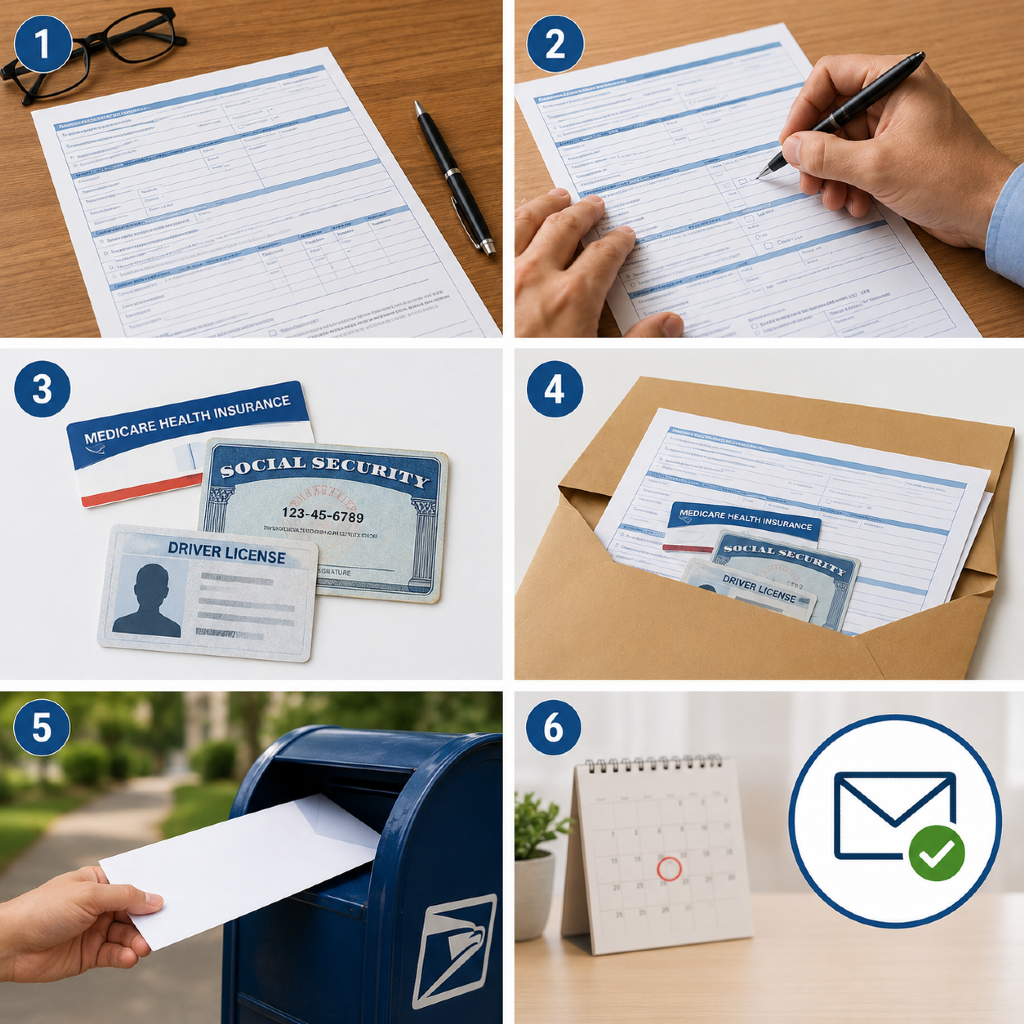
Carefully enter your full name, PSHB ID number, the patient’s details, and all applicable fields on the claim form. Double-check for accuracy to minimize delays.
Attaching supporting documents
Attach copies (not originals) of all required documents, such as itemized bills, receipts, and any supporting medical records. Organize them in the order instructed by the claim form or plan guidelines. Incomplete or missing paperwork is the most common cause of slowed processing.
Step 4: Submit Your PSHB Claim
Submission options explained
Most PSHB plan administrators offer two main methods for submitting claims:
- Mail: Send your completed claim form and attachments to the address listed on the form or your PSHB plan’s official website.
- Secure upload or online portal: Some plans provide a secure online platform for direct document upload. If this is available, it’s often the fastest method.
Check instructions closely to be sure you’re using the preferred or required method for your plan administrator.
Tracking claim status
Once submitted, you can track your claim status by:
- Logging into your PSHB plan’s member portal (if available)
- Calling the plan’s dedicated member services line and providing your claim reference number
- Watching for mailed or emailed acknowledgment notices from your plan
What Happens After Submission?
Claim review process
After your claim is received, it enters an official review process. The plan administrator checks your eligibility, verifies the provided information, reviews documentation, and decides on payment or next steps based on the PSHB coverage rules.
Typical response timeline
PSHB claims are typically processed within 15–30 business days, though times can vary depending on the complexity of the case or if additional information is requested. Watch your mail and email for updates, and respond promptly if more documents are needed for review.