Key Takeaways
- Your health coverage can often continue during unpaid leave if you follow specific OPM and PSHB requirements.
- The PSHB transition in 2025 changed coverage procedures for postal employees, so awareness of new rules is essential.
Navigating leave without pay (LWOP) as a federal employee or retiree brings unique questions about your health coverage. This guide presents a structured, factual overview of OPM and PSHB rules so you can better understand what happens to your benefits during unpaid leave and how to handle any transitions, especially with recent federal changes.
What Is Leave Without Pay?
Definition and common situations
Leave Without Pay, often called LWOP, is an approved absence from duty where you temporarily do not receive a salary. Federal employees use LWOP for many reasons: medical conditions, family obligations, educational needs, or extended military service. Unlike personal or sick leave, LWOP is unpaid, but you remain officially employed by your agency during this time.
Impact on employment status
LWOP doesn’t end your employment, but it can change how certain benefits work. While your position is held for you, you might face special requirements or limitations around your pay, service credit, and benefits. How you handle health insurance during LWOP depends on the length of leave, your agency’s policies, and current federal rules.
How Does Leave Without Pay Affect Health Coverage?
Coverage continuation basics
For many federal employees, health coverage through the Federal Employees Health Benefits (FEHB) or Postal Service Health Benefits (PSHB) Program can continue during LWOP—if you take the right steps. Coverage usually lasts for up to one year of unpaid leave. Remaining enrolled helps prevent a coverage break, but requirements must be met to maintain this protection.
Premium payment responsibilities
During LWOP, you are responsible for both the employee and government share of your health plan premiums. Since deductions are not being made from paychecks, you must make arrangements to pay these premiums directly. Agencies provide options such as mailing payments or arranging for deductions upon your return. Neglecting premium payments could put your coverage at risk.
OPM Rules for Health Coverage During Leave
Key OPM requirements
The Office of Personnel Management (OPM) outlines clear rules: if you go on LWOP, your health insurance coverage continues for up to 365 days, provided premiums are paid. After this period, you may face termination of your health benefits unless you return to pay status or qualify for other coverage, such as under the Family and Medical Leave Act (FMLA). You cannot suspend FEHB solely due to LWOP unless there are special qualifying life events or eligibility changes.
Notification and documentation processes
Your agency benefits office should notify you in writing about your coverage, premium obligations, and options at the start of your LWOP period. Document all communications and keep records of payments. If you expect a long absence, discuss arrangements before your leave begins to avoid lapses or misunderstandings.
How Have PSHB Federal Rules Changed in 2025?
Understanding the PSHB transition
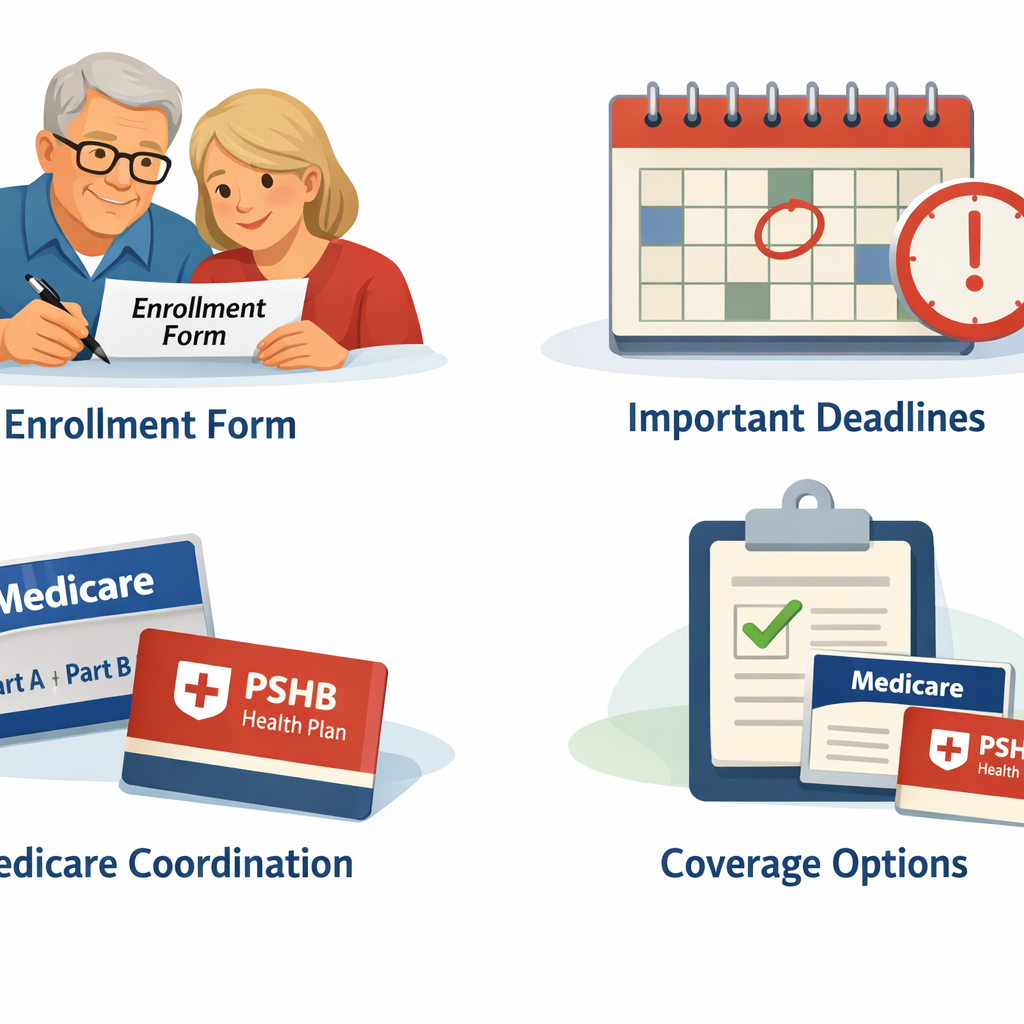
The PSHB Program began on January 1, 2025, creating new procedures for postal employees’ health coverage. While FEHB rules continue for non-postal federal employees, the PSHB governs eligible active and retired postal workers. The core goal of the transition was to offer similar protections with some important updates on coordination with Medicare and premium payment options.
Impact on postal employees
After January 2025, postal employees and retirees must follow PSHB rules, which closely align with FEHB but include distinctions such as mandatory Medicare Part B enrollment for certain annuitants and unique plan enrollment windows. During LWOP, coverage continuation requirements are similar: timely premium payments and agency communication are essential. Understanding these PSHB-specific rules will help you avoid surprises, especially during longer unpaid absences.
What Happens to FEHB and PSHB With Unpaid Leave?
Coverage continuation for FEHB
For non-postal federal employees, FEHB generally continues for up to 365 days of LWOP, as long as premiums are paid in full. If the absence extends beyond one year, your coverage typically terminates. However, re-enrollment is sometimes possible upon returning to pay status. Your agency should clearly outline these rules and assist with payment logistics.
Coverage under PSHB after January 2025
Postal employees now covered by PSHB must follow that program’s continuation requirements, which are nearly identical to FEHB’s but may involve additional Medicare coordination steps if you meet certain age or retirement criteria. Missing required premium payments during LWOP could cause suspension or loss of PSHB coverage, but agencies send advance notices and offer payment options to maintain integrity of your benefits.
Do You Lose Health Insurance on Extended Unpaid Leave?
What triggers loss of coverage?
Loss of FEHB or PSHB coverage during LWOP usually happens if you:
- Fail to pay your share (and the government’s share) of premiums on time,
- Remain in unpaid status beyond 365 consecutive days,
- Experience a disqualifying event under OPM or PSHB rules (such as separation from service).
Routine short-term leave usually doesn’t risk coverage if requirements are followed.
Options for returning to coverage
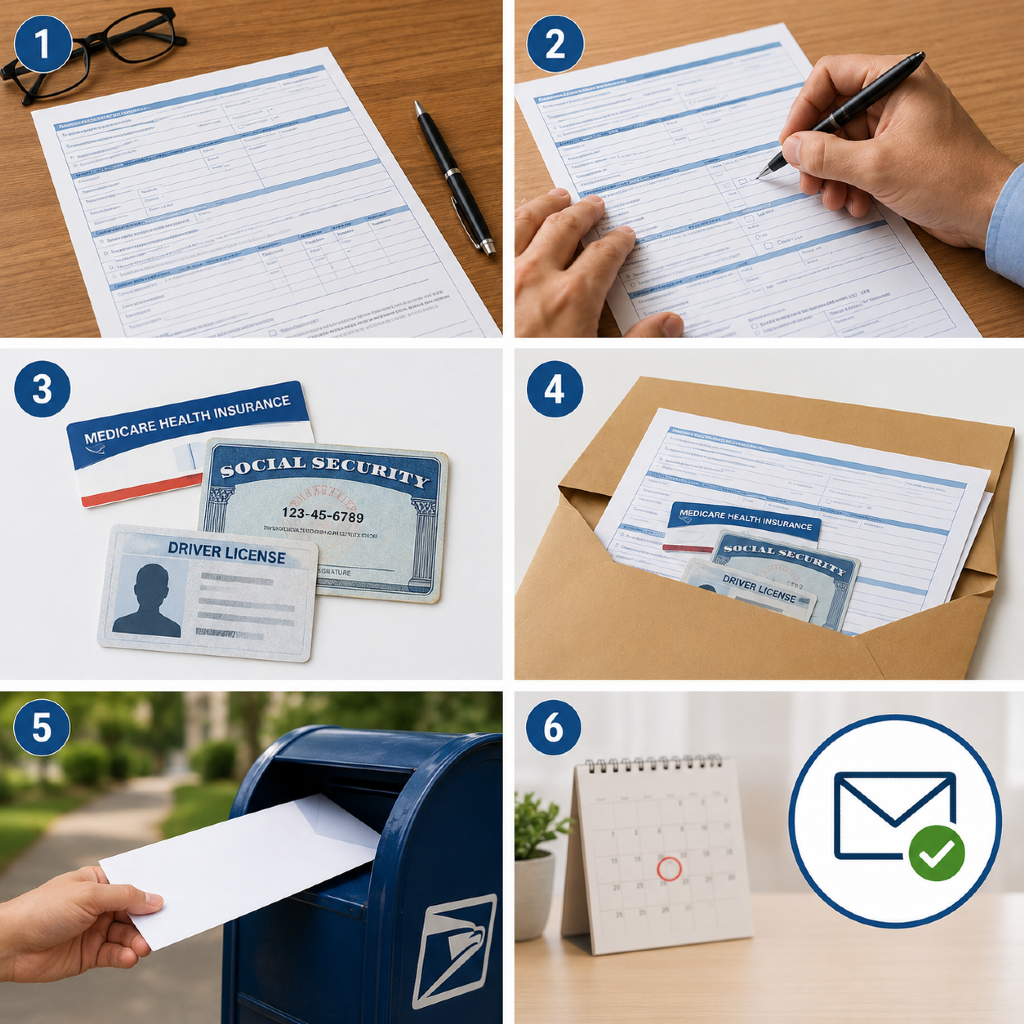
If coverage stops due to extended LWOP or missed payments, you will generally regain eligibility once you return to pay status. You may have to complete new election forms or documentation. Special rules or waiting periods could apply if returning after a long break, so always confirm with your human resources office for current procedures.
How Does Medicare Enrollment Work During Leave?
Enrollment windows and timing
Medicare’s enrollment windows (Initial Enrollment, General Enrollment, and Special Enrollment Periods) continue to apply regardless of your LWOP status. If you become eligible for Medicare during leave, signing up on time is important to avoid penalties or gaps in coverage. LWOP does not automatically delay or extend these windows.
Coordination with FEHB and PSHB plans
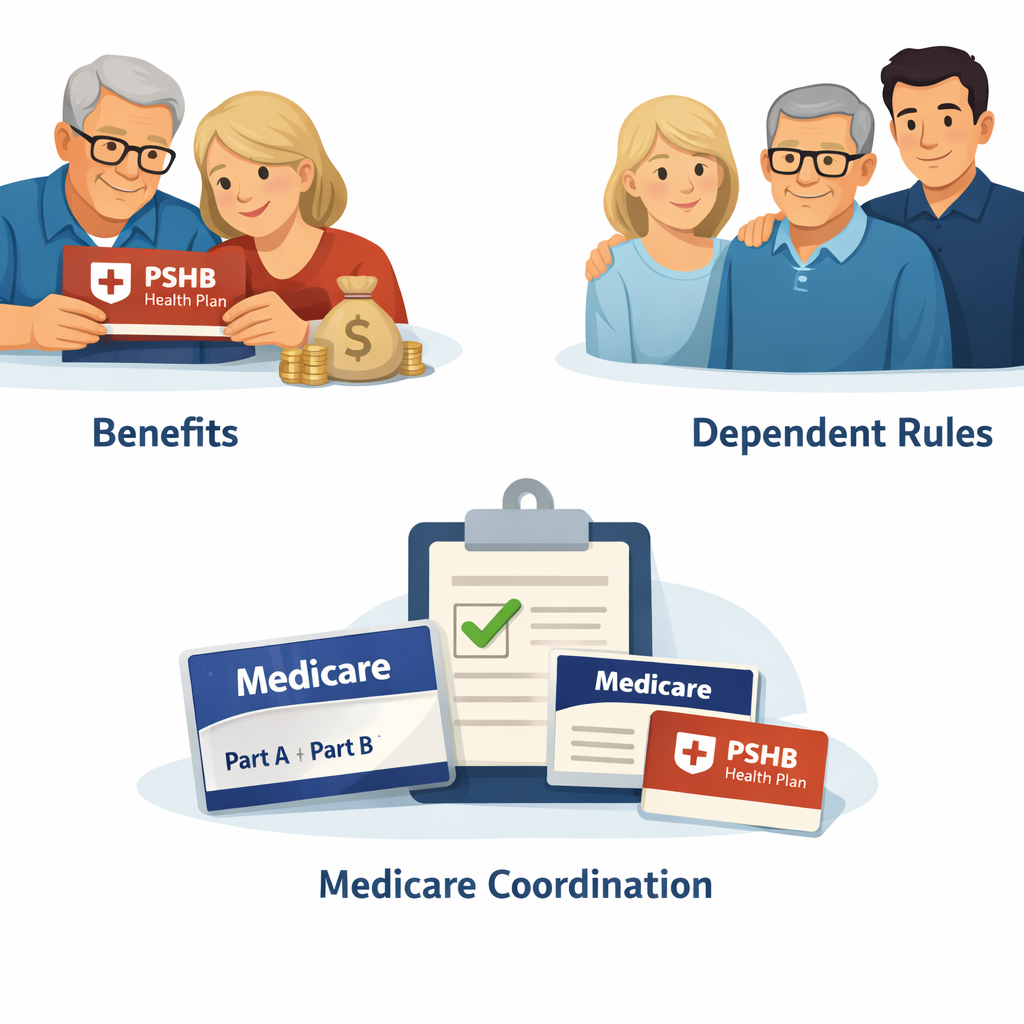
Both FEHB and PSHB allow continued enrollment when you have Medicare, with coordination of benefits remaining unchanged whether you are working or on leave. For postal retirees under PSHB, certain Medicare Part B enrollment is now required. Always review current rules before your leave to plan ahead for premium payments or coverage transitions.