Key Takeaways
- Divorce changes eligibility for health benefits under PSHB, requiring prompt notification and plan updates.
- Review plan documents and consult HR to maintain compliant, informed coverage after major life changes.
Transitioning to the Postal Service Health Benefits (PSHB) Program has created new concerns for postal families navigating divorce. Understanding how eligibility and coverage are affected ensures you make informed choices and remain compliant with federal guidelines. Here’s what you need to know if you are a USPS employee, retiree, or ex-spouse after the 2025 PSHB transition.
What Is PSHB and Its 2025 Transition?
Overview of PSHB Program
The Postal Service Health Benefits (PSHB) Program is a new federal health insurance option designed specifically for USPS employees, retirees, and their eligible family members. Managed by the U.S. Office of Personnel Management (OPM), the PSHB replaced the previous Federal Employees Health Benefits (FEHB) Program for the postal population in 2025. The program offers a range of plan types parallel to those in FEHB but is separate and tailored to postal requirements.
Key Dates and Transition Details
The PSHB transition was officially completed on January 1, 2025. USPS workers and retirees, along with their qualified family members, were automatically transferred where eligible. Open Season in the fall provided an opportunity to review, compare, and select from available PSHB plans. After January 1, 2025, all health coverage for eligible postal participants is administered under PSHB rules and requirements.
How Does Divorce Affect Postal Health Coverage?
Dependent Status After Divorce
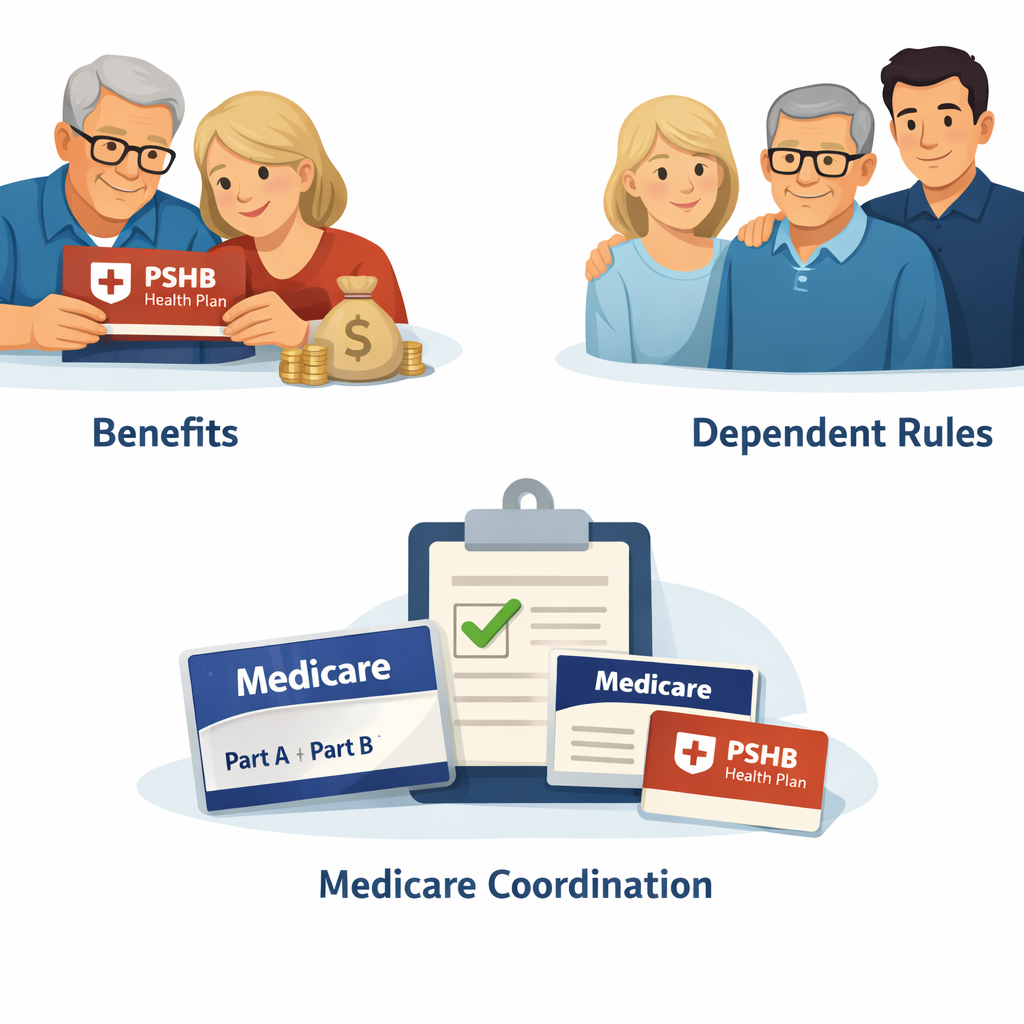
Divorce legally changes the dependent status of spouses covered under federal health benefit plans, including PSHB. Once a divorce is finalized, an ex-spouse is typically no longer recognized as an eligible family member for continuing coverage. Children may remain eligible, depending on age and other OPM criteria, but former spouses are removed unless special provisions apply.
Continuing Eligibility Considerations
After a divorce, the enrolled USPS employee or retiree must notify their plan and update dependent information. An ex-spouse cannot remain on a PSHB plan as a dependent but may have temporary continuation coverage (TCC) or other options. Failure to update your health plan promptly can result in compliance issues or gaps in benefits.
What Are the Rules for Ex-Spouses?
Federal Policy on Ex-Spouse Coverage
As of 2026, federal rules state that divorced spouses are not eligible for ongoing coverage under the PSHB Program. The only ongoing coverage a divorced spouse may qualify for is through TCC, which is a limited, time-bound option. Children who meet OPM’s definition of an eligible child may continue to receive benefits.
Special Provisions and Limitations
A former spouse may apply for TCC coverage, which provides up to 36 months of continued health insurance at full premium cost plus administrative fees. To do so, the ex-spouse must apply within 60 days of the divorce. There are no provisions under PSHB for indefinite coverage of ex-spouses unless stipulated by a separate court order for health benefits, in which case TCC is usually the mechanism. Long-term coverage for ex-spouses is not permitted under current PSHB rules.
What Steps Should Recently Divorced USPS Employees Take?
Notification and Documentation Requirements
If you have experienced a divorce, you must promptly notify your plan administrator and, if still employed, your local HR office. Documentation such as a certified divorce decree must be provided, along with any applicable benefit forms. Immediately reporting these changes ensures compliance with OPM policies and reduces the risk of undue premium payments or invalid coverage.
Updating Plan Selection During Open Season
Open Season allows you to select a new plan that reflects your updated family status. If you’re now divorced, review your PSHB plan and remove the ineligible ex-spouse. Reviewing available plans ensures you select the most appropriate coverage for your new circumstances. Update all dependent information during Open Season or as soon as possible after the divorce to maintain accurate records.
Best Practices for Post-Transition Coverage
Reviewing Plan Documents Carefully
You should carefully review your PSHB plan documents each year, especially after significant life events like divorce. These documents outline eligibility, dependent definitions, and responsibilities for prompt reporting of changes. Understanding these details helps prevent administrative complications and ensures you maintain compliant coverage for yourself and any eligible children.
Consulting HR or OPM for Guidance
If you are unsure how divorce affects your PSHB coverage, consult your USPS Human Resources office or refer to OPM’s official materials. HR professionals are trained to provide clear, factual guidance about required documentation, TCC options, and next steps. Avoid making assumptions; always base actions on official written policies to protect your access to health benefits and your legal standing within the program.
How Does Medicare Coordination Work in These Cases?
Eligibility for Medicare After Divorce
For retired postal employees or their ex-spouses, Medicare eligibility is determined separately from PSHB. Divorce itself does not impact eligibility for Medicare Part A or B, but it may affect whether you qualify for premium-free Part A based on your work history or the former spouse’s history. Be sure to review your Medicare record and consult the Social Security Administration if you have questions about credits or qualifying quarters.
Navigating Dual Enrollment Scenarios
If you are enrolled in both PSHB and Medicare after a divorce, coordination of benefits follows established federal rules. PSHB typically pays first for active USPS employees, while Medicare becomes primary for retirees. Ex-spouses who enroll in TCC and later become eligible for Medicare must follow coordination rules, with Medicare usually becoming primary. Keep in mind, enrollment requirements and sequences are set by OPM, PSHB, and Medicare, and must be carefully followed to avoid unnecessary costs or gaps in coverage.