Key Takeaways
- Understanding your PSHB plan code is essential for error-free benefits and smooth Medicare coordination.
- Use official resources, not hearsay, to find and confirm your PSHB code during and after the 2025 transition.
Many federal retirees worry about finding the right PSHB plan code during the shift from FEHB, especially when Medicare comes into play. With changing systems and new deadlines after 2025, it’s important to know the facts and clear up any myths, so you feel in control of your health benefits.
What Is a PSHB Plan Code?
PSHB overview after 2025
The Postal Service Health Benefits (PSHB) Program officially began on January 1, 2025, replacing FEHB coverage for United States Postal Service (USPS) retirees and their families. This change means that, instead of using the traditional Federal Employees Health Benefits (FEHB) plans, eligible USPS retirees now select from new PSHB plans. Each PSHB plan has a unique identifier, known as your PSHB plan code, which the Office of Personnel Management (OPM) and health carriers use to track your enrollment and benefits status. If you retired from USPS or are nearing retirement, you’ve probably noticed new plan codes on enrollment forms and reference materials since the start of 2025.
Role of plan codes in enrollment
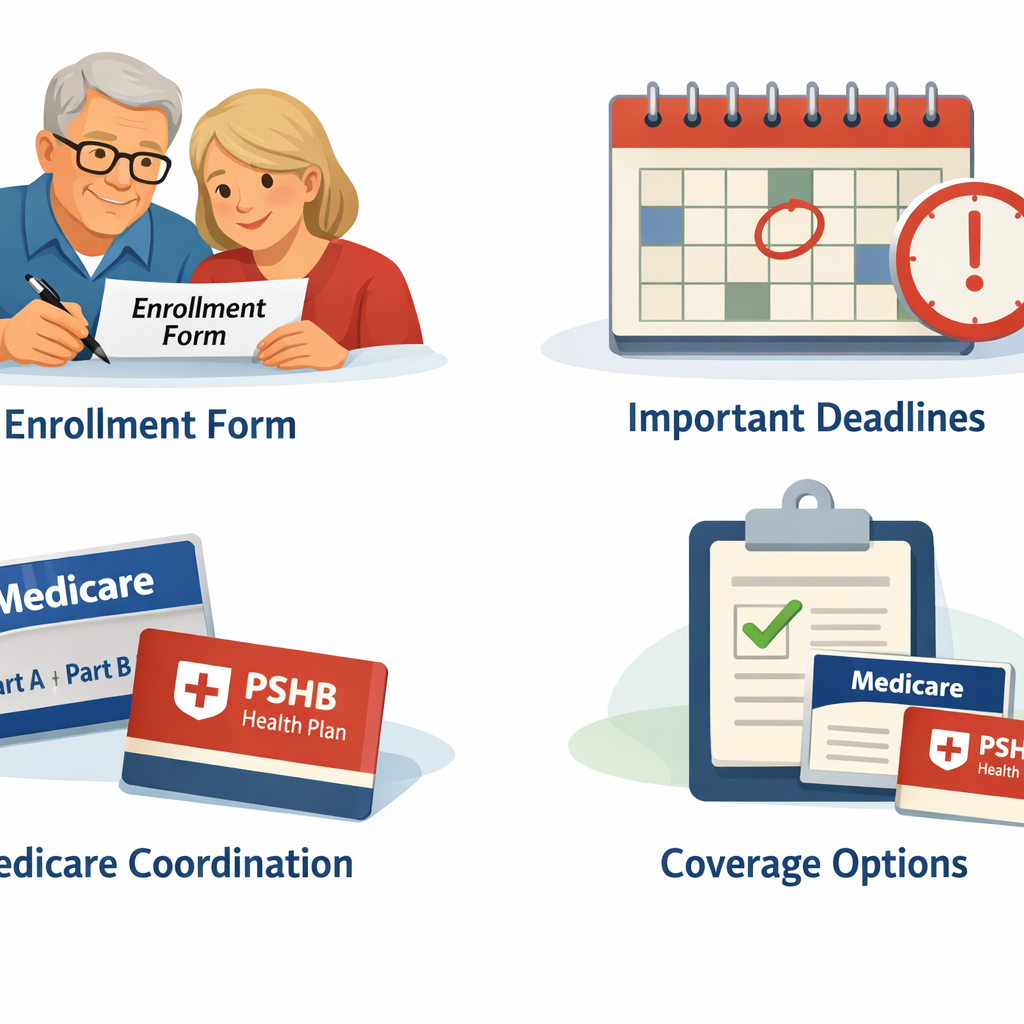
Plan codes are not just numbers or letters on a card. They direct OPM and your PSHB plan administrator to your specific coverage — including the plan type, enrollment option, and Medicare coordination status. These codes are vital for ensuring you get the coverage you’re eligible for. When you submit enrollment forms or review your options during open season, your PSHB plan code ensures your records match your choices. Incorrect codes can lead to processing delays or even incorrect coverage assignments.
Why Does My Plan Code Matter?
Eligibility and correct coverage
Using the correct PSHB plan code is more than just a formality. It’s your key to getting the right health benefits. Plan codes tie directly to the specific plan option you choose — whether self only, self plus one, or family, and if you’re coordinating with Medicare Part A and/or B. If you’re eligible (for example, a Medicare-eligible USPS retiree after the 2025 PSHB transition), the right code confirms your eligibility for that plan and its benefits. An outdated or incorrect code can accidentally enroll you in the wrong plan or block you from needed benefits.
Avoiding enrollment errors
Mistakes with your plan code can lead to a host of headaches. The most common problems include:
- Delays in coverage start dates
- Gaps in medical and prescription benefits
- Incorrect premium deductions
- Problems with Medicare coordination
Making sure you have the correct code avoids these issues, saving time and stress. Double-checking before submitting forms or enrolling online is always wise.
How Can I Find My Plan Code?
Official resources to use
Rely on official resources—not third-party lists or hearsay. The most trusted sources for PSHB plan codes are:
- The official OPM PSHB plan comparison tools
- OPM’s PSHB brochures (distributed each Open Season)
- Official OPM or USPS retiree communications
- Your plan’s enrollment form or online enrollment platform
If you receive a letter about your PSHB transition, the code is usually printed on your personalized materials. For the most up-to-date codes and plan details, check directly on OPM’s PSHB website.
Steps for USPS retirees
- Go to the OPM PSHB plan comparison tool online as soon as Open Season begins.
- Enter your ZIP Code and check “USPS retiree” when prompted.
- Review the list of available PSHB plans and note the three-digit plan code for your preferred option.
- Cross-check this code in the official PSHB plan brochure corresponding to your plan.
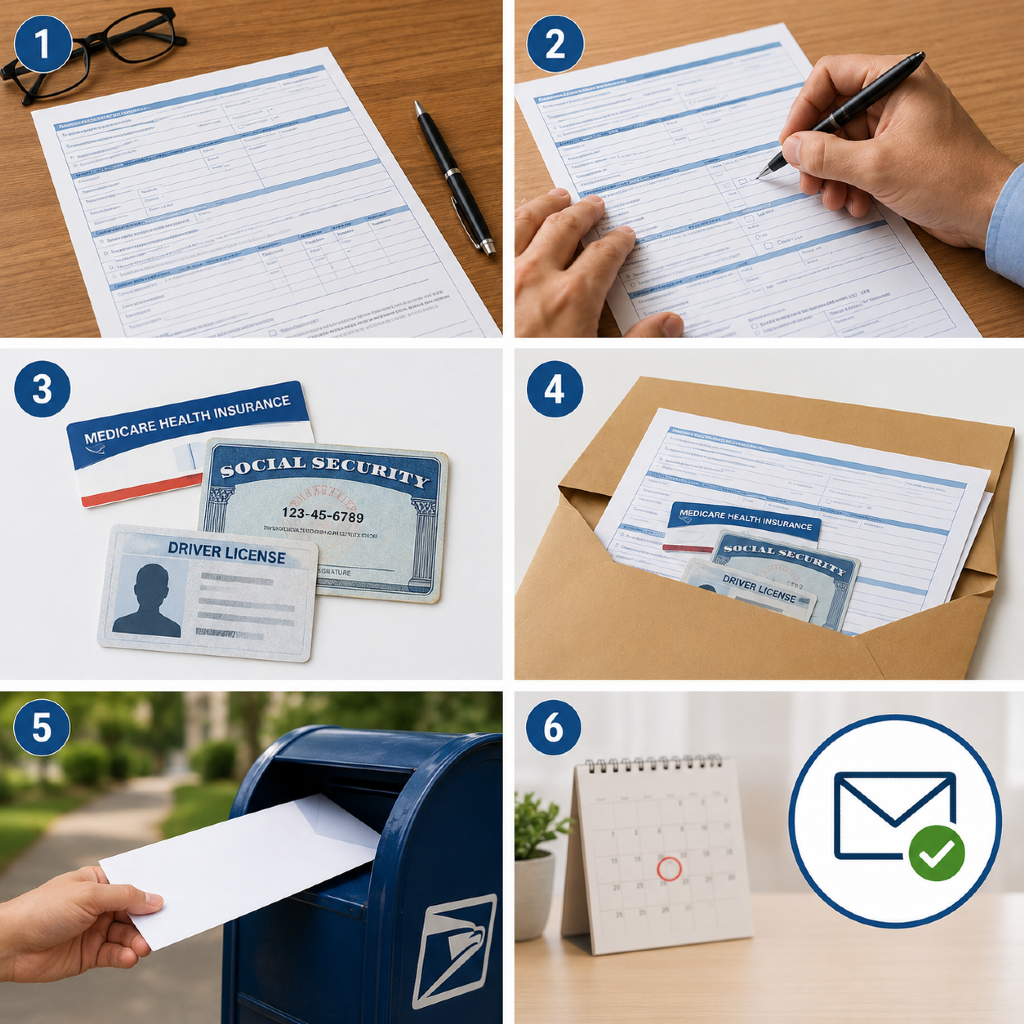
- Use the same code when completing enrollment forms (paper or online).
- If unsure, call the OPM Retirement Information Center or your postal HR Shared Service Center for confirmation — but never rely solely on an unofficial website, online forum, or social media.
What Myths Surround PSHB Plan Codes?
Common misconceptions explained
When a new system like PSHB rolls out, rumors can spread fast. Some common myths include:
- “FEHB and PSHB plan codes are identical.” (They are not; PSHB codes are unique after 2025.)
- “You can use your old FEHB code during PSHB Open Season.” (You must use the new PSHB plan code.)
- “Plan codes are optional.” (They are mandatory for correct processing.)
- “Any benefits brochure can guide you.” (Only PSHB-specific brochures apply post-2025 for USPS retirees.)
Reliable vs. unreliable sources
Stick to official channels for accurate guidance. Reliable sources include OPM PSHB Open Season materials and USPS retiree mailings. Avoid acting on information from:
- Personal blogs or social media posts
- Outdated PDFs or pre-2025 FEHB documents
- Word-of-mouth from friends who are not USPS retirees or not yet transitioned
Trust only verified and up-to-date information produced by OPM or USPS for the PSHB transition.
Are PSHB and FEHB Codes the Same?
How codes changed in 2025
As of January 1, 2025, PSHB plan codes replaced FEHB codes for all eligible USPS retirees and their dependents. While structure may seem similar (often a three-digit alphanumeric code), each PSHB plan has a distinct code that does not simply transfer from the old FEHB plan. If you attempt to use an old FEHB code during PSHB enrollment, your form may be rejected, or you could be mis-enrolled.
Implications for Medicare retirees
If you’re a Medicare-eligible retiree, using the PSHB code is especially important. The code often signals whether you’ve selected a PSHB plan option that works with Medicare coverage. This impacts your premium, cost-sharing, and even provider access. Double-check PSHB codes during enrollment to ensure continued coordination with Medicare Parts A and B.
How Does Medicare Enrollment Impact My Code?
Integration with PSHB
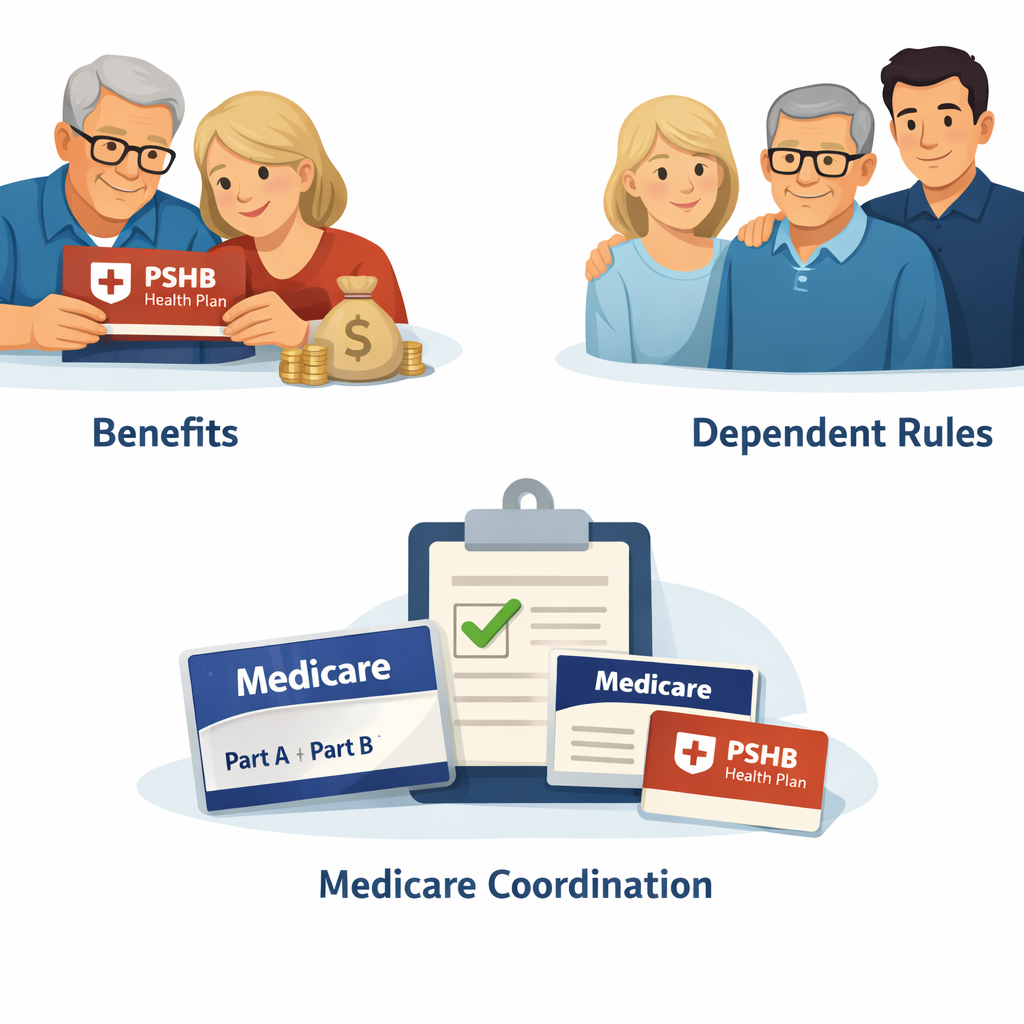
Medicare and PSHB work together differently than FEHB. For most USPS retirees, enrolling in Medicare Part A (and often Part B) is now encouraged by both OPM and PSHB program rules. Many PSHB plans are designed to coordinate benefits with Medicare, and your plan code often reflects that choice. When reviewing options, look for plans labeled for retirees with Medicare, and verify the code.
Mistakes to avoid in 2026
Common errors include:
- Entering a non-Medicare PSHB code by mistake when you do have Medicare
- Overlooking the requirement for specific codes if your spouse/dependents are also eligible
- Using expired or last year’s codes, which will not process for 2026
To avoid problems as you reenroll or switch plans, always reference the current year’s resources and contact OPM if anything is unclear before submitting forms.