Drug Interaction Check Postal Plan Guide: Reviewing Prescriptions With PSHB
Key Takeaways
- Reviewing your prescriptions regularly helps ensure medication safety and optimal Postal Service Health Benefits (PSHB) coverage.
- Understanding PSHB integration with Medicare and drug caps empowers you to make informed decisions during annual plan reviews.
Staying on top of your prescription drug list isn’t just about cost—it’s about protecting your health as a USPS retiree or employee. This guide explains how to review your medications for interactions and make the most of your PSHB coverage, all in simple language tailored for 2026 and beyond.
What Is the Postal Service Health Benefits (PSHB) Program?
The Postal Service Health Benefits (PSHB) program is the new, dedicated health insurance program for USPS employees, annuitants, and their families, replacing prior coverage under the Federal Employees Health Benefits (FEHB) program as of 2025. PSHB was designed to align benefits specifically with the needs of postal workers and retirees, and includes several new rules and features, especially around prescription drug management.
Who is eligible for PSHB?
You are likely eligible for PSHB if you are a postal employee, annuitant (retiree), survivor annuitant, or eligible family member—such as a spouse or dependent who would have previously qualified under FEHB. Eligibility generally follows federal guidelines, with detailed requirements published by the Office of Personnel Management (OPM).
When did PSHB officially begin?
The PSHB program officially started on January 1, 2025. Any USPS-covered workers or annuitants who previously had FEHB coverage transitioned to PSHB for health and drug coverage at that time.
How does PSHB relate to Medicare?
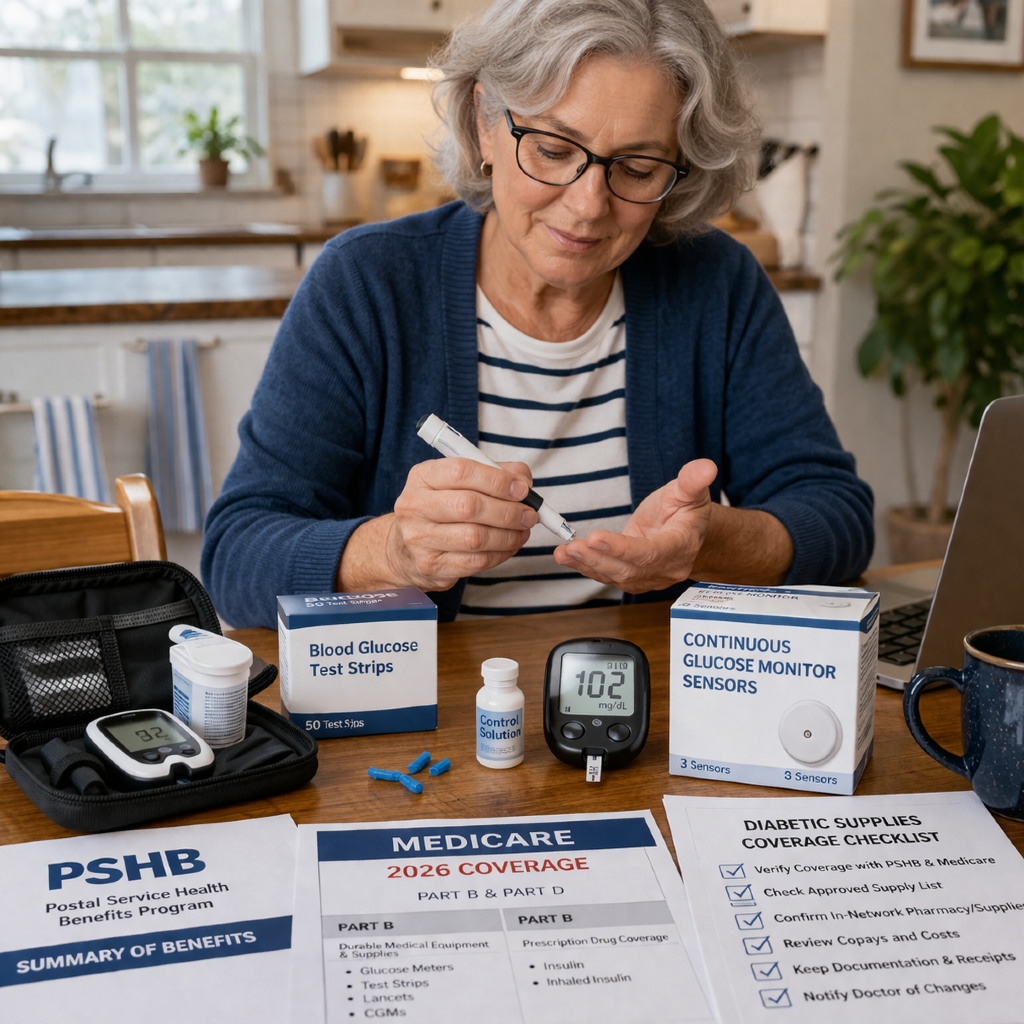
As a Medicare-eligible retiree, you can coordinate PSHB with your Medicare coverage. PSHB plans are structured to work alongside Medicare Parts A and B, and prescription drug coverage within PSHB is designed to complement Medicare Part D, while following all federal coordination-of-benefits rules.
How Does Prescription Drug Coverage Work With PSHB?
Prescription drug coverage under PSHB operates somewhat differently than previous FEHB arrangements and is closely aligned with Medicare benefits for eligible retirees.
Coverage transition from FEHB to PSHB
When the transition from FEHB to PSHB occurred in 2025, most current drug formularies (the list of covered medications) were reviewed and updated for the new program. If you were covered under FEHB prior to 2025, you were automatically transitioned into a comparable PSHB plan unless you selected another option during open season.
What prescriptions are typically included?
PSHB prescription drug plans usually cover a wide range of medications for chronic and short-term conditions. These may include medicines for blood pressure, diabetes, cholesterol, mental health, and more. Coverage specifics depend on your PSHB plan’s formulary, so it’s important to check that your necessary drugs are listed and note any rules around prior authorization or quantity limits.
Does PSHB integrate with Medicare drug benefits?
Yes, for retirees enrolled in Medicare, PSHB drug coverage operates in line with Medicare guidelines. Most PSHB plans for retirees now include enhanced benefits that integrate with Medicare Part D, following a coordinated structure so that prescription costs, caps, and required co-pays are handled in compliance with federal policy.
What Is a Drug Interaction Check?
A drug interaction check helps protect your health by ensuring the medications you take do not conflict with one another.
Purpose of a drug interaction check
The main goal is to identify if combinations of drugs could cause unwanted side effects, weaken a medication’s effect, or create safety issues. This is especially important if you see multiple doctors or take both over-the-counter and prescription drugs.
How drug reviews support safe care
By regularly reviewing your medication list, health professionals spot possible problems early—like an allergy risk or a new prescription that shouldn’t be taken with your current medicines. Annual drug reviews are one of the easiest ways to safeguard your health, particularly when your insurance plan or providers change.
What Steps Should You Take to Review Your Prescriptions?
Reviewing your prescriptions is simple if you follow a step-by-step approach each year, especially as you transition or update your health coverage.
Step 1: Gather Your Medication List
Collect an up-to-date list of all prescription and over-the-counter medicines you take, including dosages and frequency. Don’t forget vitamins and supplements, as these can interact with medications as well.
Step 2: Use a Drug Interaction Checker
There are automated tools and resources—often online or through your pharmacy’s website—where you can enter your medication list. These checkers compare your drugs for potential conflicts. While these tools are handy, they are not a substitute for a professional review.
Step 3: Consult Your Pharmacist or Provider
Share your complete list with your pharmacist or doctor. They can identify interactions, ensure you’re not taking duplicate drugs, and answer safety questions.
Step 4: Discuss Coverage With Your Plan
Contact your PSHB plan for the latest formulary and drug coverage information. Ask if any of your medications require prior approval or if there are newer, safer alternatives under your current coverage.
Does the PSHB $2000 Drug Cap Affect My Prescriptions?
For many retirees, understanding drug cost limits under both Medicare and PSHB is essential for planning and budgeting.
What is the Medicare $2000 drug cap?
As of 2026, Medicare has a $2,000 maximum annual out-of-pocket cap for covered prescription drugs. This means that after you have spent $2,000 on eligible medications, Medicare covers your additional prescription costs for the rest of the year.
Which prescriptions are included under the cap?
Most prescription medicines covered under Medicare Part D or your integrated PSHB plan count toward the $2,000 cap. It’s important to check your plan’s list and talk to their representatives if you have specialty or high-cost prescriptions.
How does the cap work with PSHB?
If you have both PSHB and Medicare, prescription expenses across both programs contribute to the cap, coordinated between your drug plan administrators. This reduces your risk of unexpected costs, but annual reviews help ensure you’re maximizing your coverage.
How Can You Update Drug Coverage Safely?
Keeping your PSHB drug coverage up to date can lessen disruptions in your treatment and help you make the best use of your benefits.
Understanding OPM enrollment guidelines
You must follow the Office of Personnel Management’s (OPM) rules for annual enrollment and making changes to your PSHB plan. These guidelines are available through OPM’s official resources, and staying aware of deadlines is crucial.
Key steps for USPS retirees
For retirees, review your prescription list every year and compare your current plan’s drug coverage to new options during open season. Ask about changes in formularies, drug tiers, and out-of-pocket costs so you can make an informed decision.
Common mistakes to avoid
Don’t assume last year’s coverage remains the same, or that a pharmacy will automatically inform you about dropped or restricted medications. Always request a summary of benefits and compare any changes year-to-year.
What Questions Should You Ask During Drug Reviews?
Having a list of questions ready can make your annual drug review much more productive.
Are all my current drugs covered?
Check whether each medication you take is still on your PSHB plan’s formulary and, if not, what alternatives are available.
Will my dosages or formularies change?
Ask whether the PSHB plan has made changes to the preferred drug list, dosages, or requirements for prior approval that could affect your regimen.
Whom to contact about plan changes
Write down the contact number for your PSHB plan’s customer service and your pharmacy’s help desk. Direct communication helps resolve issues faster and prevents coverage inside a plan’s open season deadline.