Does PSHB Cover the Medicare Deductible? Federal Retiree Q&A Explained
Key Takeaways
- PSHB brought changes to drug deductible structures for USPS retirees, starting in 2025.
- Understanding your plan’s rules and Medicare coordination is crucial for managing 2026 out-of-pocket drug costs.
Navigating benefit changes during the move from FEHB to PSHB can feel overwhelming, especially if you’re concerned about how your prescription coverage may change. This guide explains what drug deductibles are, how they worked under FEHB, what’s changed with PSHB, and how Medicare fits into the picture so you can make confident and informed choices about your healthcare.
What Is a Drug Deductible?
Definition in Health Insurance
A drug deductible is the amount you pay out-of-pocket for prescription medications before your insurance begins to share the cost. This means early in the year, you’re responsible for your prescription costs up to a certain dollar amount defined by your plan. Once you’ve reached this threshold, your insurance typically starts covering a larger share, leaving you with only copayments or coinsurance.
How Deductibles Affect Your Costs
The drug deductible directly impacts your wallet. At the start of each benefit year, you’ll pay full price for covered prescriptions until the deductible is met. After that, your out-of-pocket costs per prescription should decrease. Plans may set different deductibles for different types of drugs, and some generic medications may even be exempt. Understanding your deductible is important so you can budget for your potential pharmacy expenses at the beginning of each year.
How Did FEHB Drug Deductibles Work?
FEHB Basics for USPS Employees
The Federal Employees Health Benefits (FEHB) Program was the long-standing health coverage for USPS employees and retirees. Under FEHB, enrollees chose from a variety of plans that covered both medical and prescription needs. The program set the foundational rules for how prescriptions costs, including deductibles, were handled.
Typical Deductible Structures
FEHB plans offered a range of drug deductible options. Some plans had no separate drug deductible, while others implemented single or family deductibles for prescriptions only. The deductible amounts varied based on plan selection and tier—generic, preferred brand, or specialty medications could each come with separate deductible requirements and copays.
Who Paid What Under FEHB?
If your FEHB plan included a drug deductible, you were responsible for out-of-pocket costs on prescriptions up to the deductible amount. After this was met, you would pay lower copays or coinsurance for the rest of the benefit year. In many cases, low-cost generics were exempt, and preventive medications might have been covered before the deductible kicked in.
What Changed with PSHB Drug Deductibles?
Introduction to PSHB for Postal Retirees
Starting January 1, 2025, postal retirees transitioned from the FEHB program to the Postal Service Health Benefits (PSHB) Program. This new program was designed specifically for USPS employees and retirees, updating plan structures to reflect changes in the postal workforce and Medicare integration requirements.
Key Deductible Features in PSHB
With PSHB, drug deductible rules may look different than under FEHB. Many PSHB plans now feature updated deductible amounts, new tiers for medications, and revised structures designed to align with Medicare integration. Some plans may offer lower or no deductible options for certain drugs, while others could separate the deductible amounts for specific types of medications.
Important Dates for the Transition
The shift from FEHB to PSHB was completed on January 1, 2025. This means that from 2025 onward, your prescription coverage and deductible amounts are determined by your selected PSHB plan. Each year, these deductibles can be updated, so it’s important to review your plan information before the start of each benefit year.
How Are FEHB and PSHB Deductibles Different?
Major Plan Distinctions Explained
While both FEHB and PSHB plans offered options for prescription drug coverage, PSHB introduced new requirements and coordination measures reflecting the unique needs of postal retirees, especially those eligible for Medicare. The significant distinction is how drug deductibles are now structured to work more closely with Medicare Part D requirements.
Deductible Amounts Comparison
PSHB plans can have different drug deductible amounts from the FEHB options previously available. You may notice that deductible thresholds, copays, or the list of drugs subject to a deductible have shifted. This is meant to streamline benefits as retirees integrate their postal plan with Medicare, reducing overlap but potentially changing annual out-of-pocket risk.
Impact on Out-of-Pocket Costs
Your out-of-pocket costs may change depending on the PSHB plan you choose and how it interacts with Medicare. If you pick a PSHB plan that coordinates with Medicare, your prescription costs could be managed more efficiently, especially after the deductible is met. It’s crucial to compare plan documents each year to estimate your potential costs.
Do All Postal Plans Include a Drug Deductible?
Which Plans Have Deductibles?
Not every PSHB plan includes a drug deductible. Some offer zero-deductible options or waive the deductible for certain medicines, like generic or preventative drugs. However, most plans will list the deductible amount for each coverage tier and spell out if exceptions exist.
How to Check Your Plan Rules
Always check your plan’s official summary of benefits or evidence of coverage to confirm if a deductible applies to your prescriptions. These resources will explain which drugs count toward the deductible, exceptions, and how much you’ll be responsible for at the pharmacy counter before coverage steps in.
How Does Medicare Integrate with PSHB?
Role of Medicare for Retirees
If you are Medicare-eligible and a postal retiree, Medicare becomes an important part of your health coverage starting in 2025. Most postal retirees must enroll in Medicare Part B to keep their PSHB coverage. Medicare serves as the primary or secondary payer, depending on your health needs.
Coordination of Benefits Explained
When you have both PSHB and Medicare, your prescription costs are managed through coordination of benefits. Medicare may pay first for covered medications, with your PSHB plan handling remaining amounts that are eligible under plan rules. This setup minimizes duplicate coverage and helps ensure your benefits are integrated smoothly.
Steps to Enroll in Medicare Properly
To make the most of your benefits, be sure to enroll in Medicare Part A (hospital) and Part B (medical) when you first become eligible at age 65, or when you retire if later. Review PSHB plan documents to confirm if you need to join Medicare Part D for drug coverage or if your PSHB option includes comprehensive prescription benefits coordinated with Medicare. Double-check deadlines and don’t delay enrollment, as missing key dates could affect your coverage.
What Should I Consider During the Transition?
Timeline for Plan and Deductible Changes
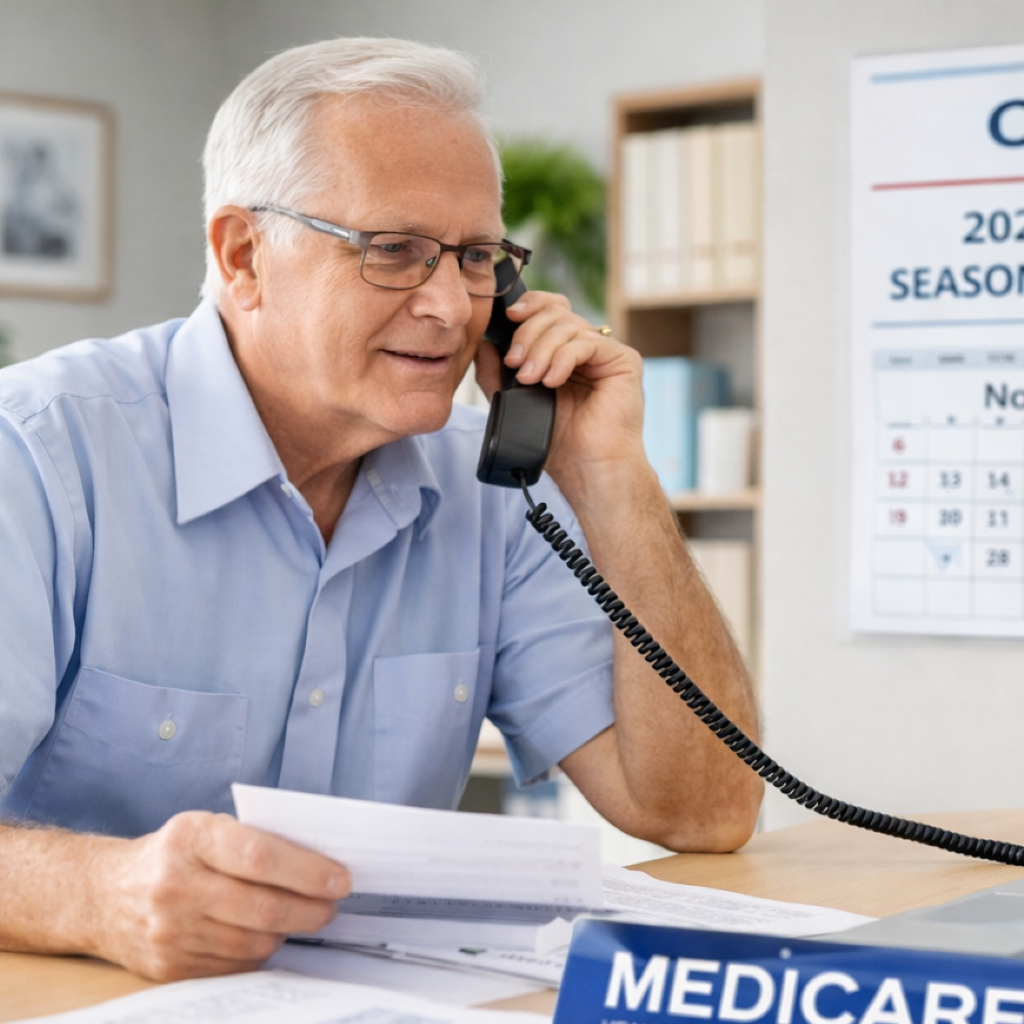
The FEHB to PSHB transition was completed starting January 1, 2025. Each year during Open Season, you can review PSHB plan options and confirm current deductible and coverage rules for the following calendar year. Changes you make go into effect January 1 of the next year.
Checklist for Reviewing Your Options
- Read your annual PSHB benefits guide and summary.
- Compare plan drug deductibles and out-of-pocket limits.
- Consider your current medications and how they are covered.
- Confirm if you need to enroll in Medicare Part D or if your PSHB plan includes integrated coverage.
- Mark important Open Season dates on your calendar.
Frequently Overlooked Steps
Many retirees overlook reviewing new plan documents each year or updating their information with OPM and Medicare. Don’t assume past benefits automatically carry over—take time to ensure there are no unexpected changes in deductible amounts or coverage.
Where to Get Plan-Specific Details?
Official OPM and USPS Resources
Always consult official resources for the most up-to-date information. The U.S. Office of Personnel Management (OPM) and the USPS provide benefits guides, plan brochures, and online tools to help you compare PSHB options and understand deductible details. These resources avoid any sales pressure and just present the facts.
Questions to Ask Your Plan Administrator
When in doubt, contact your plan administrator or benefits office. Ask about:
- The current year’s drug deductible amount
- Which drugs count toward your deductible
- Out-of-pocket maximums
- Medicare Part B and Part D coordination
This ensures you get personalized answers for your unique retirement situation.