Key Takeaways
- Postal retirees should be aware of the 2025 PSHB transition deadlines and required forms.
- Official OPM and USPS resources provide reliable help for navigating retirement paperwork.
Managing the paperwork for postal retirement, especially with the introduction of the Postal Service Health Benefits (PSHB) Program, can feel daunting. Understanding what forms you need, when deadlines hit, and where to turn for help is essential to ensure a seamless transition and uninterrupted coverage.
What Is PSHB and Why Does It Matter?
PSHB explained in everyday terms
The Postal Service Health Benefits (PSHB) Program is a new health benefits program for United States Postal Service retirees and their eligible family members, which began on January 1, 2025. PSHB was designed to closely align with existing federal health plans, but it is distinct and has its own rules about who qualifies and how benefits work.
Why postal retirees need to know about PSHB
If you retired from the USPS, or you’re nearing retirement, you are required to transition from the Federal Employees Health Benefits (FEHB) Program to PSHB. This change brings new forms, procedures, and deadlines. Being informed helps reduce stress and ensures your coverage continues without gaps.
Which Retirement Paperwork Do You Need?
Common forms required for postal retirees
Several core documents are essential when moving through the retirement process and making the switch to PSHB. The most common forms include:
- Retirement application (often Standard Form 2801 or equivalent)
- PSHB enrollment form (official PSHB enrollment request)
- Proof of age and eligibility documentation (like a copy of a birth certificate)
- Medicare enrollment forms (if age 65 or older and eligible)
- Notice of Federal Employees’ Retirement System (FERS) annuity
These forms will help you confirm your eligibility, enroll in necessary benefits, and coordinate your PSHB and Medicare coverage.
Where to find official documents
Official retirement forms are provided by the U.S. Office of Personnel Management (OPM) and USPS Human Resources shared services. Documents are available online through:
- OPM’s official website
- USPS LiteBlue HR portal
- Your local USPS Human Resources office
Bookmarking these resources and regularly checking for updates is a wise way to stay informed during transitions.
What Key Deadlines Should You Track?
PSHB transition deadline in 2025
The major transition to PSHB took place on January 1, 2025. All eligible postal retirees and families should have completed their PSHB enrollment prior to this date. Ongoing deadlines may include:
- Initial PSHB enrollment: Must be completed within the designated open season or a specified transition window prior to January 1, 2025
- Any life event changes (such as marriage or loss of coverage) must also be reported within specified timeframes, typically 60 days from the event
Medicare and FEHB coordination timeframes
If you are turning 65 or becoming Medicare-eligible, coordination between Medicare and PSHB is required. Key points include:
- Medicare Part A generally becomes primary at age 65
- For most postal retirees, timely enrollment in Medicare Part B is necessary for full PSHB plan participation
- Notify OPM and USPS of Medicare eligibility within their set deadlines (commonly within 60 days of eligibility)
Missing these deadlines can impact your access to coverage or available plan choices, so setting calendar reminders is important.
How Do You Fill Out PSHB Forms?
Step-by-step instructions for basic sections
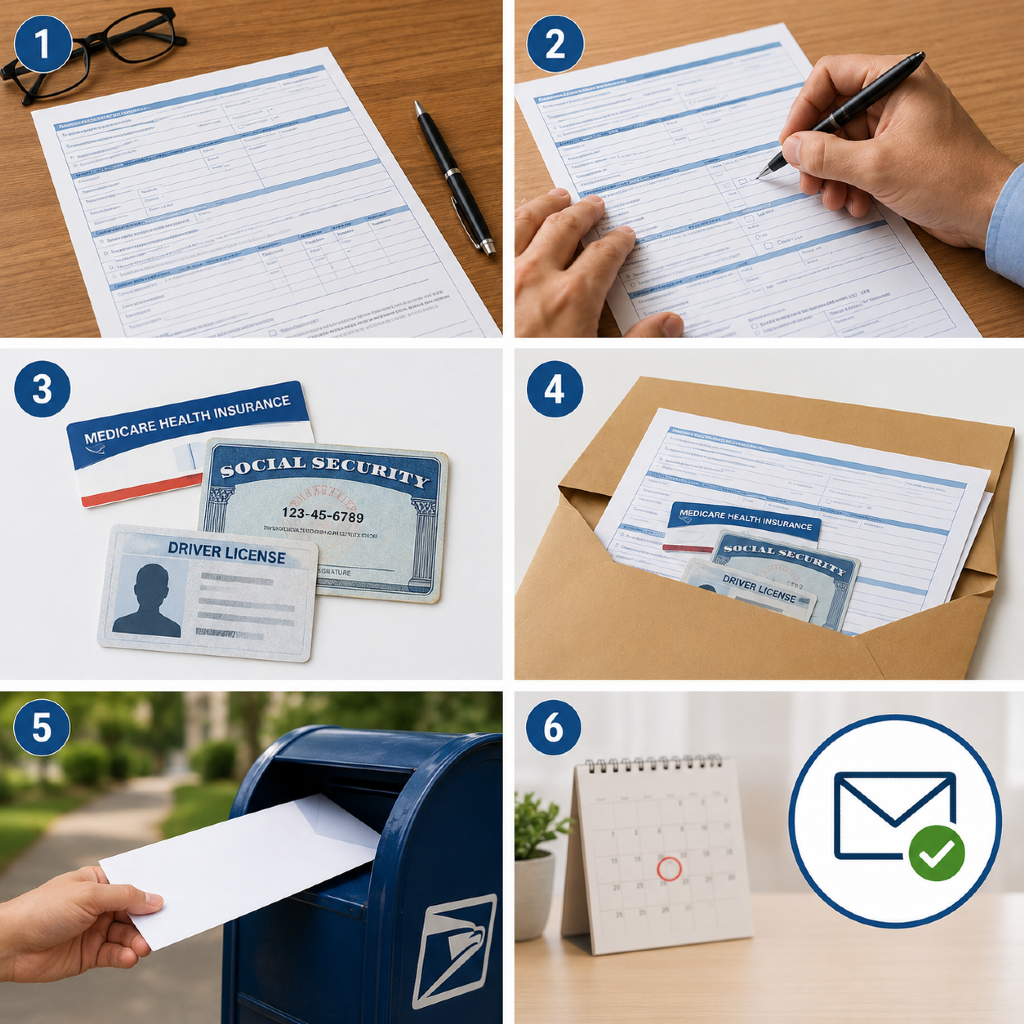
While each form differs, the core steps remain similar:
- Gather personal information (SSN, dates of service, address)
- Select your PSHB plan by carefully reading the official options listed
- Provide dependent and family member information, including their SSNs and birthdates
- Indicate any existing Medicare enrollment with correct documentation, if applicable
- Double-check your entries for accuracy before signing or submitting
If you’re unsure about any item, leave it blank until you have confirmed the correct answer with an official source.
Tips to avoid common paperwork errors
- Double-check dates and Social Security Numbers
- Ensure all required signatures are present
- Submit originals, not photocopies, if instructed
- Keep a dated copy of every submission for your records
- Review all instructions carefully—small oversights can result in delays
Attention to detail reduces the chance you’ll need to resubmit documentation or experience gaps in eligibility.
What Happens If You Miss a Deadline?
Potential impacts on your coverage
Missing PSHB or Medicare deadlines may create lapses in your health benefits, lead to delays, or limit plan choices for the year. Late enrollments often come with restrictions until the next open season, or until a qualified life event occurs.
Options for late enrollments or corrections
Official guidance usually allows late enrollments only if you experience certain qualifying events, such as a marriage or involuntary loss of coverage. In these cases, you must act quickly—typically within 60 days—to correct paperwork or update your status. For unintentional errors, contacting OPM or USPS as soon as possible can sometimes help resolve the issue, but plan options may be limited by federal rules.
Who Can Help with Retirement Paperwork?
OPM, USPS, and official sources
The Office of Personnel Management (OPM) and USPS Human Resources are your primary contacts for retirement paperwork and PSHB questions. Their representatives provide official, accurate information specific to your situation. Always confirm advice with these sources to avoid missteps.
Educational resources for postal retirees
Beyond direct contact, official websites such as OPM.gov and the USPS LiteBlue HR portal offer forms, instructions, and updates. Many non-governmental educational organizations also provide checklists and plain-language guidance, but always compare information with original sources to ensure it is current and correct.
Frequently Asked Questions About PSHB
Answers to common retiree concerns
Many postal retirees wonder if they’ll lose coverage or need to change doctors with the shift to PSHB. The PSHB program was designed to maintain continuity of care, but you should carefully review the official plan documents each year for the latest details.
Clarifications on PSHB and Medicare rules
If you are Medicare-eligible at retirement, enrolling in Medicare Part A (and often Part B) when switching to PSHB is generally required. Rules continue to evolve, but the most accurate information comes directly from OPM and USPS correspondence.
Careful attention to forms, deadlines, and official resources will help you navigate the transition confidently and maintain uninterrupted health coverage.