Key Takeaways
- Understand key differences between Postal Plan and FEHB emergency room coverage, including costs and network access.
- Stay updated on annual plan documents and deadlines, especially with PSHB requirements and Medicare integration.
Navigating health insurance can feel overwhelming, especially with the shift to the Postal Service Health Benefits (PSHB) program and the continuing option of Federal Employees Health Benefits (FEHB). If you’re a Medicare-eligible federal retiree, understanding the details of emergency room coverage is important to avoid surprises and make wise choices during plan changes. This guide gives you clear, practical information about how ER coverage works now and what’s changed since the PSHB launch.
What Is Emergency Room Coverage?
Basic definition of ER coverage
Emergency room (ER) coverage refers to health insurance benefits that help pay for care you receive if you go to an ER for a sudden medical problem, such as a serious injury or illness. This coverage is designed for urgent problems that can’t wait for a regular doctor visit.
Typical services included
Most plans cover a range of ER services, such as:
- Evaluation by ER staff (doctors, nurses, technicians)
- Diagnostic testing (X-rays, blood tests, urgent scans)
- Stabilization and lifesaving care
- Immediate treatments, like stitches or injections
Common exclusions or limitations
While ER coverage can be broad, plans may have rules like:
- Higher out-of-pocket costs if the visit is not a true emergency
- No coverage for non-urgent care in the ER
- Limits on follow-up care covered after your ER visit
Before heading to the ER, knowing your plan’s definition of “emergency” helps prevent unexpected bills.
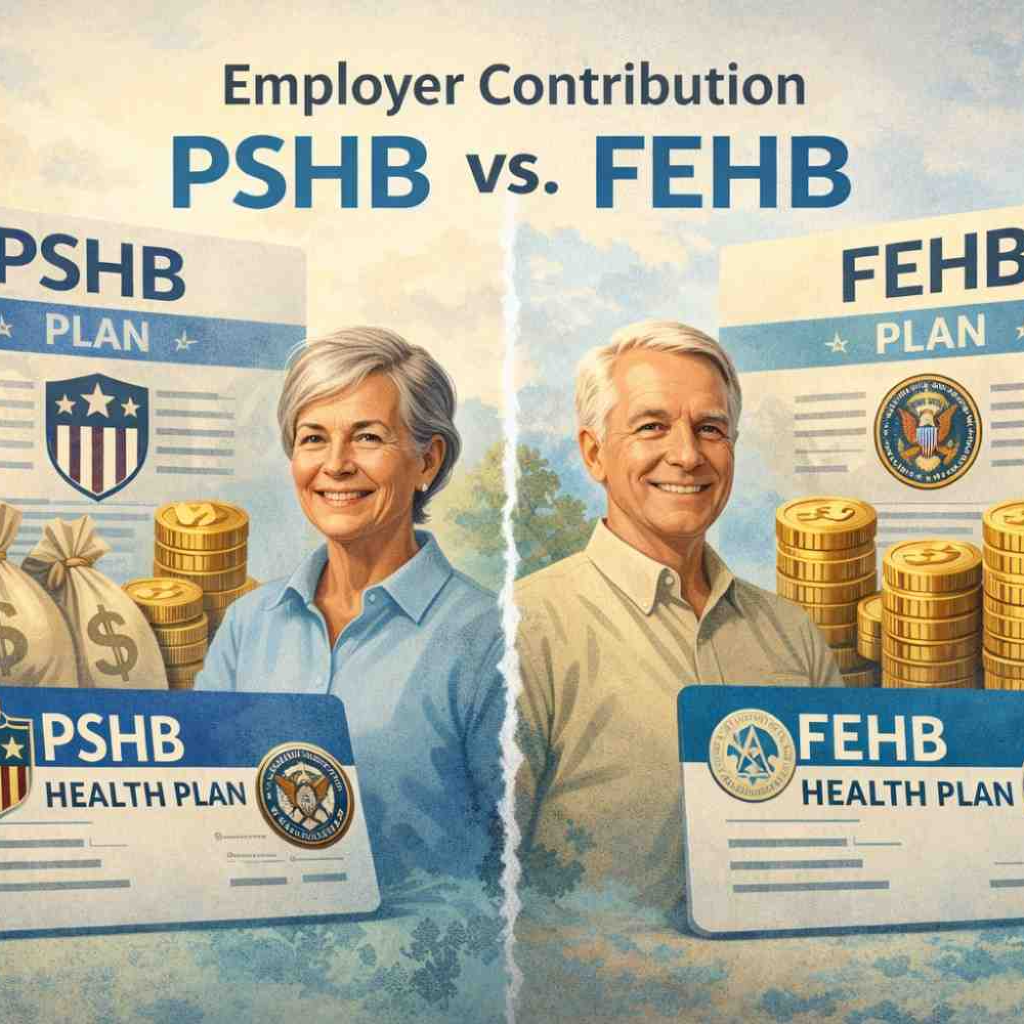
What Differentiates Postal Plan and FEHB?
Overview of Postal Plan in PSHB
The Postal Plan under PSHB is a newer health benefit option available to United States Postal Service (USPS) retirees since January 2025. PSHB plans are designed for eligible postal retirees and their families, often with rules that align with Medicare integration. The transition aimed to streamline benefits and ensure comparable access to care, including ER services.
Overview of FEHB for retirees
FEHB is the long-standing health insurance program for federal employees and retirees (not limited to USPS). Retirees who remain in FEHB after the PSHB transition (such as those not eligible for PSHB) continue with plans similar to what they had before 2025. FEHB plans also include ER coverage, network provider requirements, and annual cost-sharing details.
Plan eligibility after transition
Most USPS retirees and their family members moved to PSHB plans on January 1, 2025, unless they met certain exceptions. Retirees from other federal agencies stayed in FEHB. Some retirees may qualify for both, but you must follow OPM and USPS guidance on your eligibility to avoid gaps in ER coverage.
How Do ER Costs Compare?
Copayments and coinsurance basics
Both PSHB Postal Plans and FEHB plans generally require you to pay either a flat fee (copayment) for each ER visit or a percentage of the total cost (coinsurance). Typical copayments for in-network ER care could range from $100 to $150, though the exact amount depends on your plan. Coinsurance means you pay a portion of the overall ER bill—often 15% to 30%—while the plan pays the rest.
Balance billing and network considerations
If you receive care from out-of-network providers at the ER, you may face higher costs. Some facilities might bill you for charges not covered by your plan, a process called “balance billing.” Both PSHB and FEHB plans encourage you to use in-network facilities when possible to reduce this risk.
Potential out-of-pocket differences
While cost-sharing under PSHB and FEHB can look similar, some Postal Plans under PSHB may have specific cost-saving features when you coordinate benefits with Medicare. After you enroll in Medicare Part B, your ER out-of-pocket costs may be lower under certain PSHB arrangements, but coverage details vary. Always check your plan’s summary of benefits for the most up-to-date numbers each year.
Will Medicare Affect Your Coverage?
Coordination of benefits with Medicare
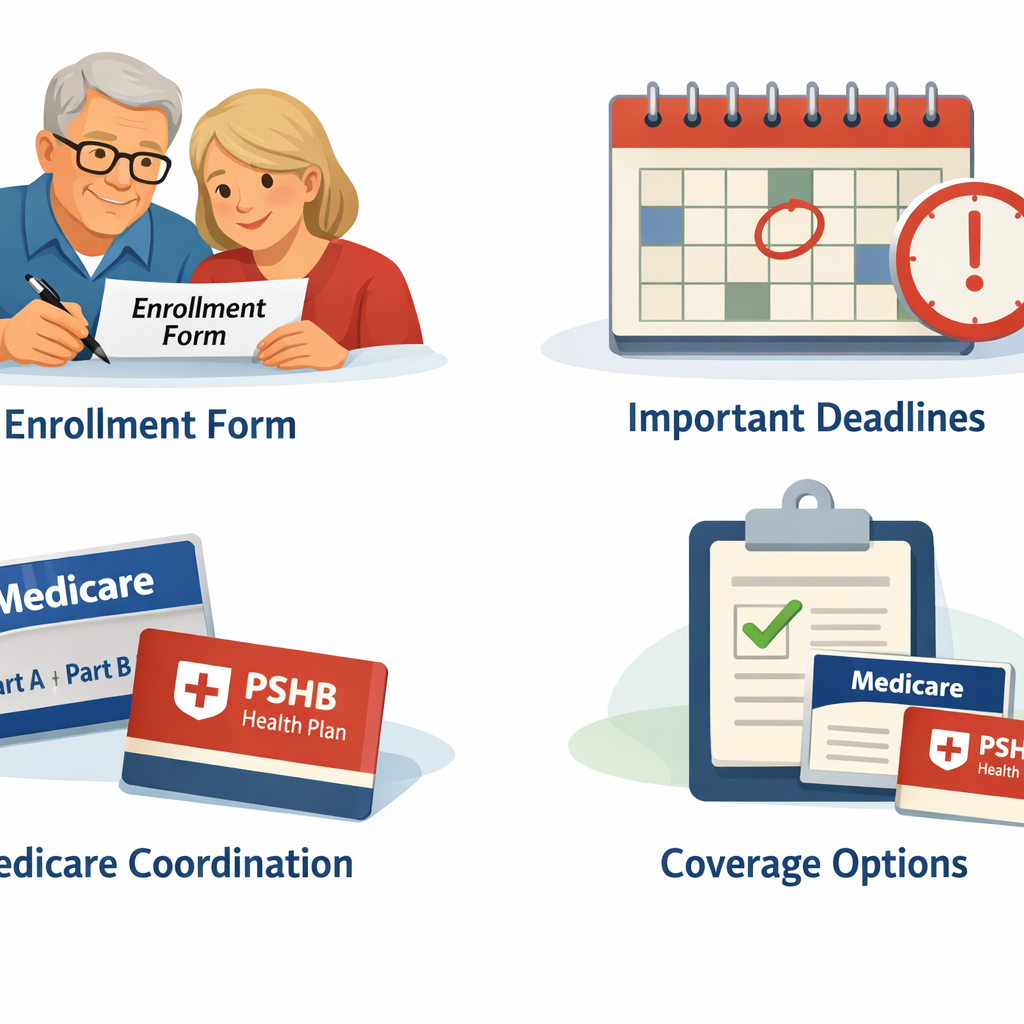
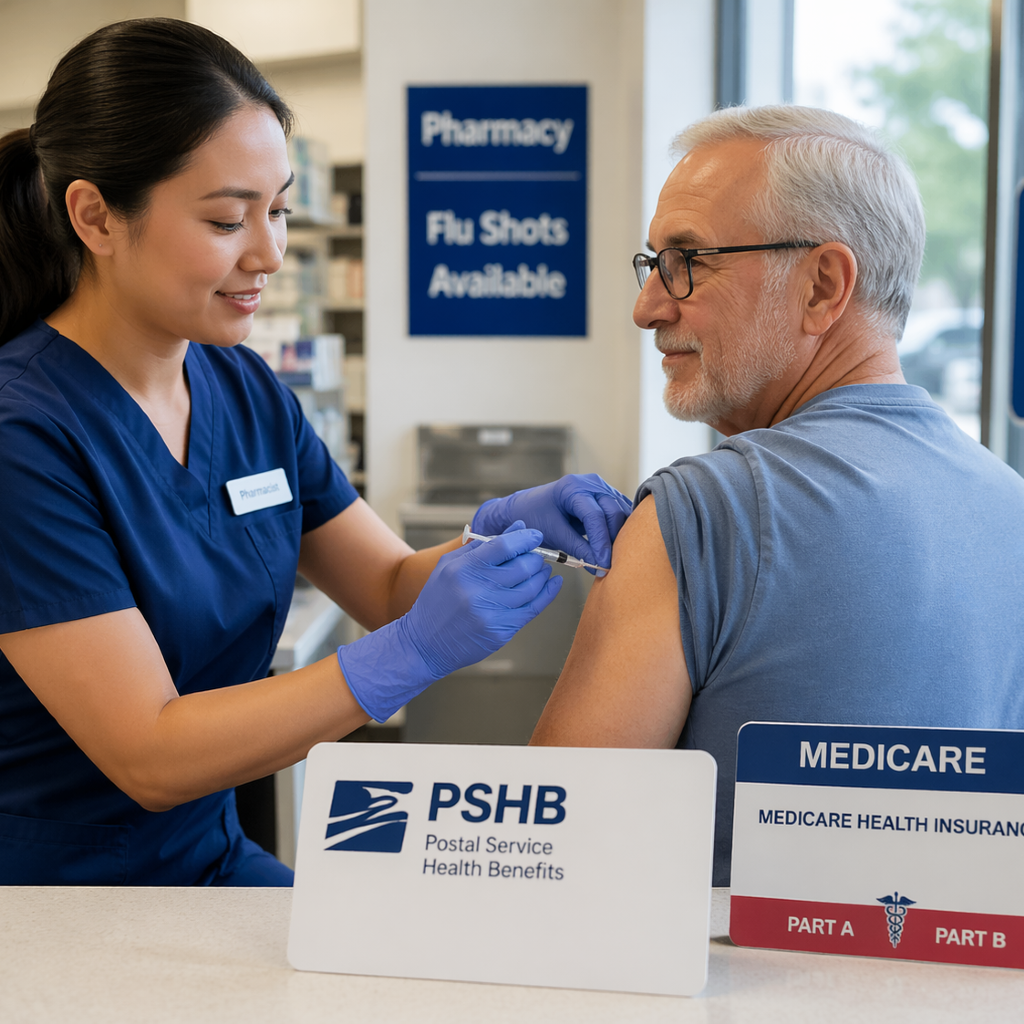
After you become eligible for Medicare, both PSHB and FEHB require you to enroll in Medicare Part A (hospitalization) and usually recommend Part B (doctors and outpatient care) to maximize your benefits. Your ER bills are typically paid first by Medicare, with your health plan covering most (but not always all) remaining charges.
Billing order for ER visits
For retirees with both Medicare and a PSHB or FEHB plan, Medicare usually pays first (primary), and your health plan pays second (secondary). This means your ER costs may be lower than for retirees without Medicare. However, if you don’t enroll in Medicare Part B, your share of costs could be higher.
Known policy updates since PSHB launch
Since the PSHB rollout in 2025, both OPM and USPS have provided additional guidance: retirees must comply with Medicare enrollment rules to keep certain coverage advantages. Some Postal Plans now use Medicare payment rates for cost calculations, and CMS policies about out-of-network charges can shift from year to year. Reviewing these policy updates every year is recommended to avoid unexpected ER expenses.
Can Coverage Change by Location?
Network considerations in rural areas
Living in a rural area or a place with limited hospital networks can affect which ERs count as “in-network.” Both PSHB and FEHB plans partner with nationwide provider networks, but you may have fewer options in remote locations. This could impact both your immediate treatment and your share of the costs.
Out-of-area emergencies
If you experience a sudden emergency while traveling outside your normal coverage area, both PSHB and FEHB plans usually treat emergency care as in-network—even if you’re out of state. However, follow-up care or admission after the emergency may be subject to different rules, so always check the out-of-area coverage terms in your plan.
Access issues for traveling retirees
Traveling retirees should carry a copy of their insurance card and keep emergency numbers handy. Most PSHB and FEHB plans offer a help line to locate in-network hospitals quickly. If you need non-urgent care while away from home, using urgent care centers instead of ERs can save you time and money.
What Should Retirees Watch For?
Plan documents to review yearly
Every fall during Open Season, review your plan’s official summary of benefits, the Evidence of Coverage, and Annual Notice of Changes (ANOC). These documents outline what’s covered in the ER, cost-sharing, and any network or Medicare updates.
Deadlines for making plan changes
Open Season is your main window (usually November–December) to change plans, but special circumstances like moving or losing other coverage could trigger a special enrollment period. Missing a deadline could mean higher costs or delayed access to care next year.
Avoiding common mistakes after 2025
Some retirees assume their ER coverage remains unchanged after the PSHB shift or Medicare enrollment. Double-check your eligibility and plan details each year, especially if your health needs or medications change. If you’re unsure about your options, contacting your benefits counselor or checking OPM/USPS resources can bring peace of mind.