Key Takeaways
- Understand how the transition from FEHB to PSHB affects dual federal couples’ health coverage and what actions may be needed.
- Learn the essential timelines, coordination strategies, and where to find trustworthy information for a smooth 2026 transition.
Navigating your health benefits as a dual federal couple can quickly feel overwhelming, especially with the transition from FEHB to the Postal Service Health Benefits (PSHB) Program now in effect. This article breaks down what you need to know about eligibility, plan options, Medicare, and key checklists—so you can move ahead confidently in 2026.
What Is the PSHB Program?
Purpose of Postal Service Health Benefits
The Postal Service Health Benefits Program (PSHB) was established specifically for United States Postal Service (USPS) employees, retirees, and their eligible family members. The program’s main goal is to provide tailored health coverage that aligns more closely with the needs and situation of the postal workforce. This initiative is intended to streamline benefits, ensure continued access to quality care, and meet the requirements set by federal legislation.
Key Features of PSHB
PSHB is administered by the Office of Personnel Management (OPM) and is distinct from the Federal Employees Health Benefits (FEHB) program. Highlights include:
- Exclusive eligibility for current USPS employees, postal retirees, and their eligible dependents.
- Similar plan designs to FEHB, but with requirements focused on the unique demographics and healthcare needs of postal families.
- Coordination requirements with Medicare Part B for certain retirees, aimed at avoiding coverage gaps or unnecessary overlap.
How Does FEHB to PSHB Integration Work?
Understanding the Transition Timeline
The transition from FEHB to PSHB officially began on January 1, 2025. As of this year, eligible USPS participants and their dependents are now enrolled in PSHB. If you are part of a dual federal couple—where both spouses hold federal positions—your integration journey may include managing coverage under both systems for a period of time, depending on your status.
Key dates:
- 2025: Full PSHB program launch; active postal workers and eligible retirees began coverage.
- 2026: Ongoing coordination, particularly if only one spouse is USPS-affiliated and the other remains eligible for FEHB.
Critical Steps for Dual Federal Couples
If both you and your spouse have federal positions, it’s important to:
- Review your eligibility for both programs based on each spouse’s employment or retiree status.
- Evaluate which spouse should cover the family under their plan in 2026, given the separation between PSHB (postal-only) and FEHB (other federal employees).
- Coordinate carefully during Open Season to avoid gaps or duplicate coverage.
What Should Dual Federal Couples Know?
Eligibility Scenarios for Couples
Eligibility depends on each spouse’s employment status:
- If both of you are USPS employees or postal retirees, you’ll both move into PSHB and can choose a family or self plus one plan within PSHB.
- If one spouse is a non-postal federal employee or retiree, that spouse will remain eligible for FEHB while the USPS spouse transitions to PSHB.
- Eligible children and dependents may also require careful documentation for proper enrollment.
Navigating Choice and Coordination
Selecting the right plan can feel daunting, but you have flexibility:
- You can each enroll in your respective programs individually, but sometimes it’s more cost-effective or simpler to cover the family together in one plan. However, PSHB and FEHB cannot cover the same individuals at the same time.
- During Open Season each year, review plan offerings, premiums, drug formularies, and networks before making changes.
- If you change jobs, retire, or have a qualifying life event, update your enrollment choices promptly.
How Does PSHB Affect Medicare Coordination?
Medicare Enrollment Requirements
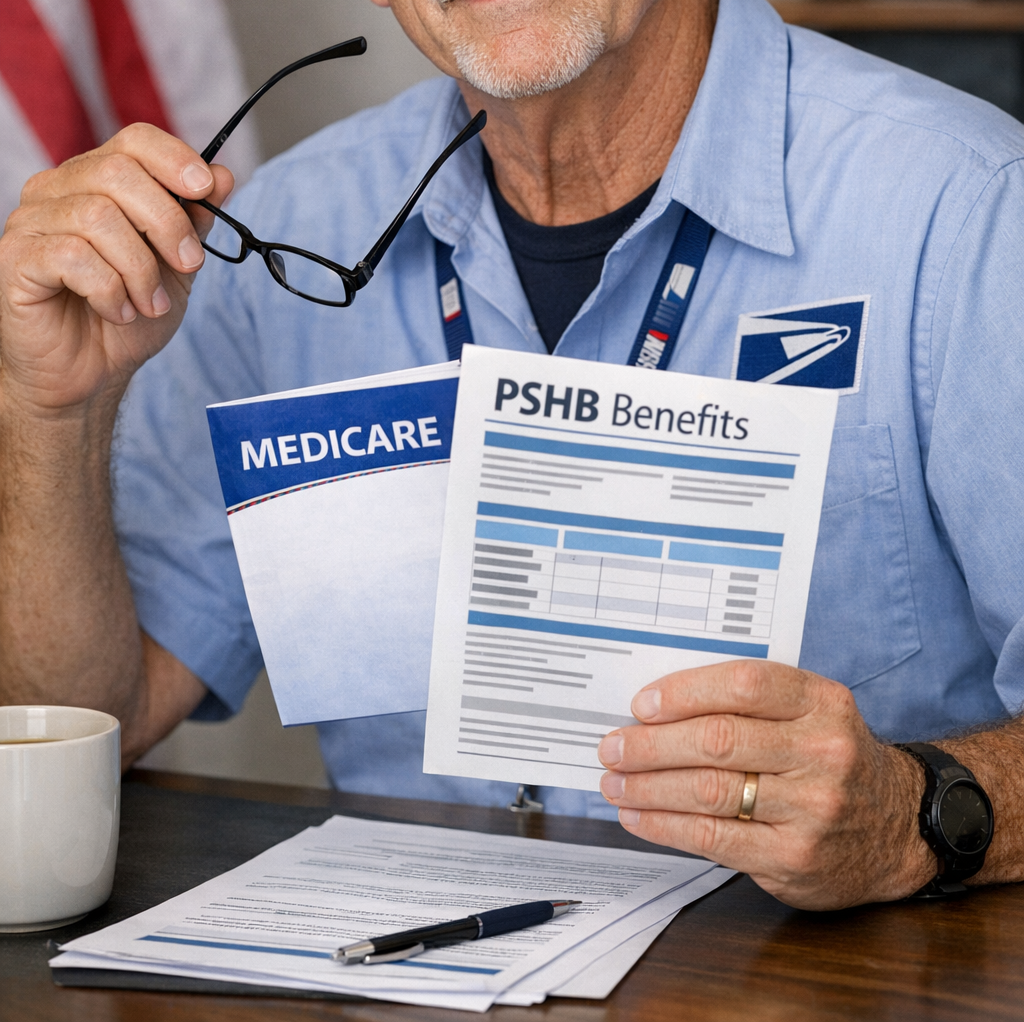
A key change with PSHB is the requirement for many USPS retirees (and their covered spouses) to enroll in Medicare Part B when first eligible, typically at age 65. This is designed to coordinate federal and Medicare coverage efficiently and help reduce your out-of-pocket costs.
Situations to be aware of:
- PSHB requires Part B enrollment for most (but not all) eligible retirees and their covered dependents.
- If you are already enrolled in Medicare, ensure your PSHB plan is notified so benefits coordinate correctly.
- Some exceptions may apply, such as for those whose Medicare eligibility is based on disability.
Synchronizing FEHB, PSHB, and Medicare
If you and your spouse are eligible for both FEHB/PSHB and Medicare:
- Coordinate your enrollment so that health benefit and Medicare coverage start together.
- Understand which plan will be primary and which secondary; generally, Medicare becomes primary after age 65, but check specifics based on your plan’s coordination procedures.
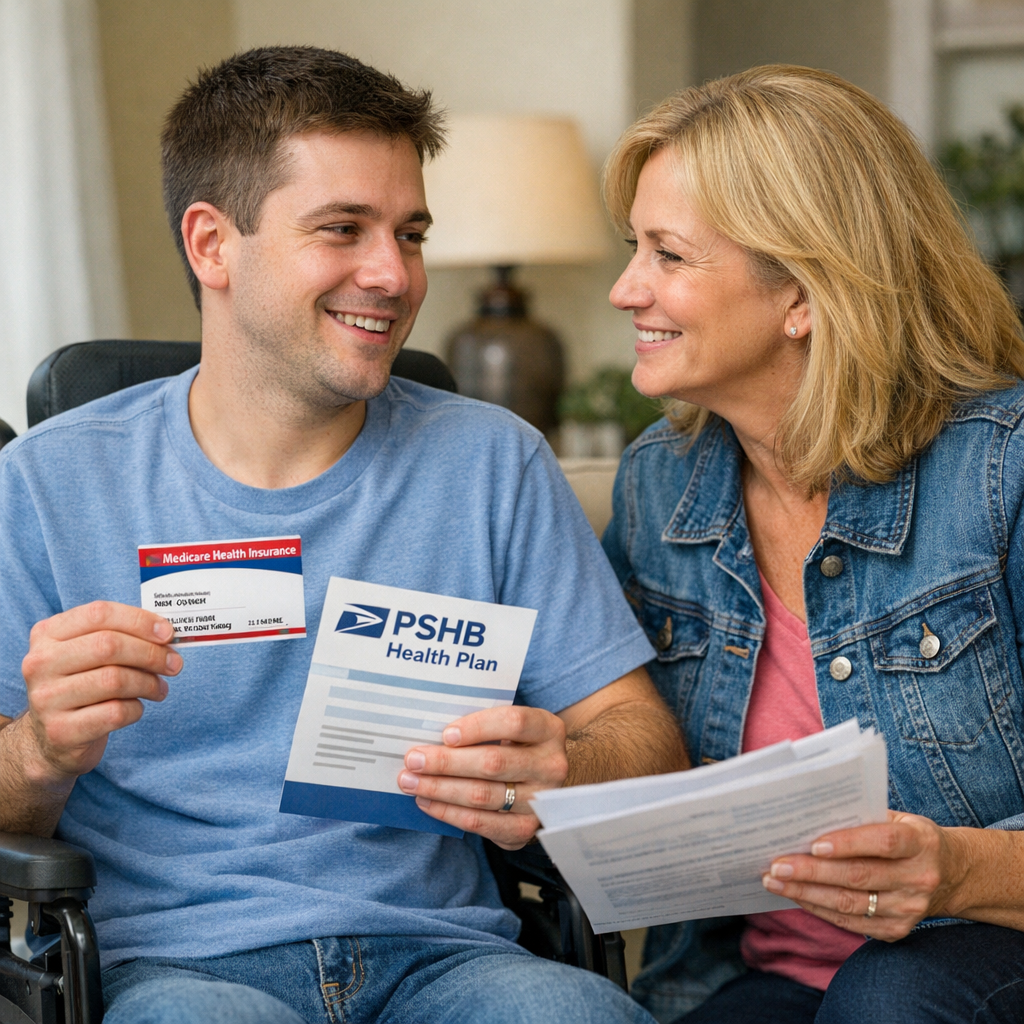
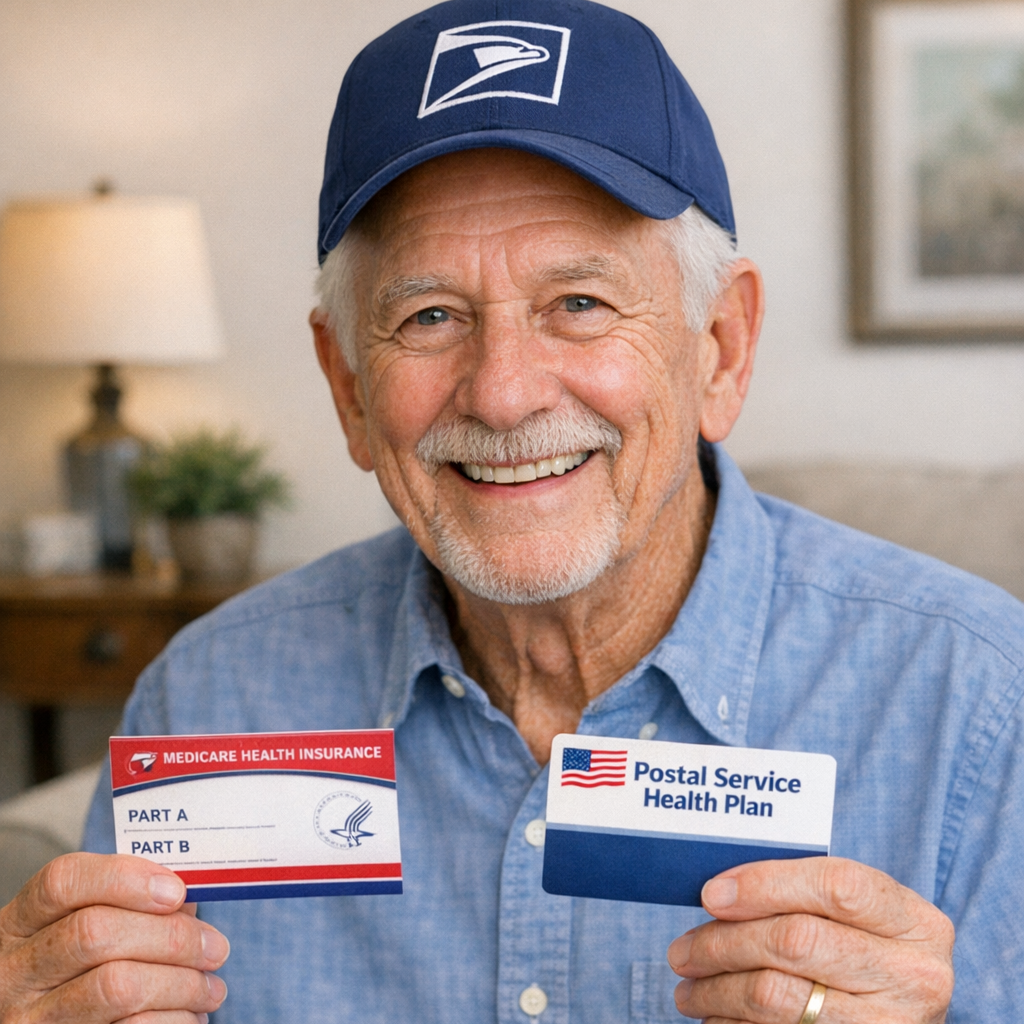
- Keep all related documentation, such as your Medicare card and plan confirmation, accessible and updated.
Will You Need to Change Your Doctor?
Understanding Provider Networks
One of the biggest concerns during the transition is whether you’ll need to switch doctors. While both FEHB and PSHB plans often share large national networks, there may be changes in specific providers—especially if your plan administrator changes or your network is redefined.
Provider network facts:
- PSHB plans may use networks similar to those of their FEHB counterparts, but always verify your preferred doctors remain in-network.
- Use the provider directory or call the plan for confirmation during Open Season or after receiving new plan materials.
Tips to Preserve Physician Relationships
To keep seeing your trusted doctors:
- Research your plan’s online provider directory as soon as it’s available each year.
- Call your provider’s office to reconfirm participation in your upcoming PSHB network before scheduling appointments.
- If you must change plans, ask your current physician for recommendations within your new network.
- Gather copies of your medical records, if you need to transition to a new doctor, to ensure care continuity.
Checklists and Key Deadlines for 2026
Enrollment Timeline for Dual Federal Couples
Staying on top of dates is crucial:
- Open Season (typically November–mid-December): The only window each year to make changes unless you experience a qualifying life event.
- Medicare-eligible postal retirees should enroll in Medicare Part B when first eligible to avoid late penalties and gaps.
- Document all plan selections and confirmations in a safe, accessible place.
Avoiding Common PSHB Transition Mistakes
Dual federal couples can prevent headaches by:
- Double-checking that both of you—plus eligible children—are properly listed in your chosen plan.
- Keeping records of all plan enrollments and communications.
- Reviewing all new PSHB benefit materials thoroughly, focusing on drug tiers, network changes, and coordination with Medicare.
- Contacting HR or your plan administrator with any questions well before deadlines.
Where to Find Reliable PSHB Resources?
Official Information Sources
For trusted, up-to-date information:
- Visit the OPM official website, which hosts the latest PSHB updates, plan brochures, and official forms.
- The USPS and your HR department are valuable resources for specific questions and eligibility verification.
Plain-English Guides and Support
To make sense of complex rules:
- Look for educational materials from reputable organizations that break down PSHB, FEHB, and Medicare requirements in everyday language.
- Attend virtual or in-person benefits fairs open to postal families.
- Consider reaching out for HR consultation or reputable non-government support if you need tailored guidance (just remember: avoid sources making guarantees or unsolicited claims).
Staying proactive, informed, and organized is your best path to a smooth transition as a dual federal couple under PSHB in 2026.