Key Takeaways
- PSHB requires close attention to Medicare enrollment and plan deadlines to ensure continuous retiree coverage.
- Myths about losing your doctor or coverage are common; provider networks may change, but careful verification helps you stay informed.
As a USPS retiree looking at the new Postal Service Health Benefits (PSHB) Program, you may be wondering what this means for your Medicare enrollment and your future coverage. This guide will outline all the essential facts—plus step-by-step instructions—to help you confidently navigate the transition in 2026.
What Is PSHB and How Does It Work?
Definition of PSHB
The Postal Service Health Benefits (PSHB) Program is a newer health insurance program for USPS employees, annuitants, and eligible family members. It launched on January 1, 2025, and is designed to meet the unique coverage needs of USPS retirees and their dependents. PSHB plans are part of the Federal Employees Health Benefits (FEHB) system but are administered separately for those associated with USPS.
How PSHB differs from FEHB
While the structure of PSHB plans is similar to traditional FEHB plans—offering a choice of coverage options—enrollment is distinct. Only eligible USPS populations can participate in PSHB. One of the biggest differences is that Medicare-eligible retirees are required to enroll in Medicare Part B (with some exceptions) to maintain their PSHB coverage starting in 2025. PSHB also emphasizes integration with Medicare to coordinate benefits and help avoid duplicate costs or lapses in coverage.
Does PSHB Change Medicare Enrollment?
Medicare eligibility with PSHB
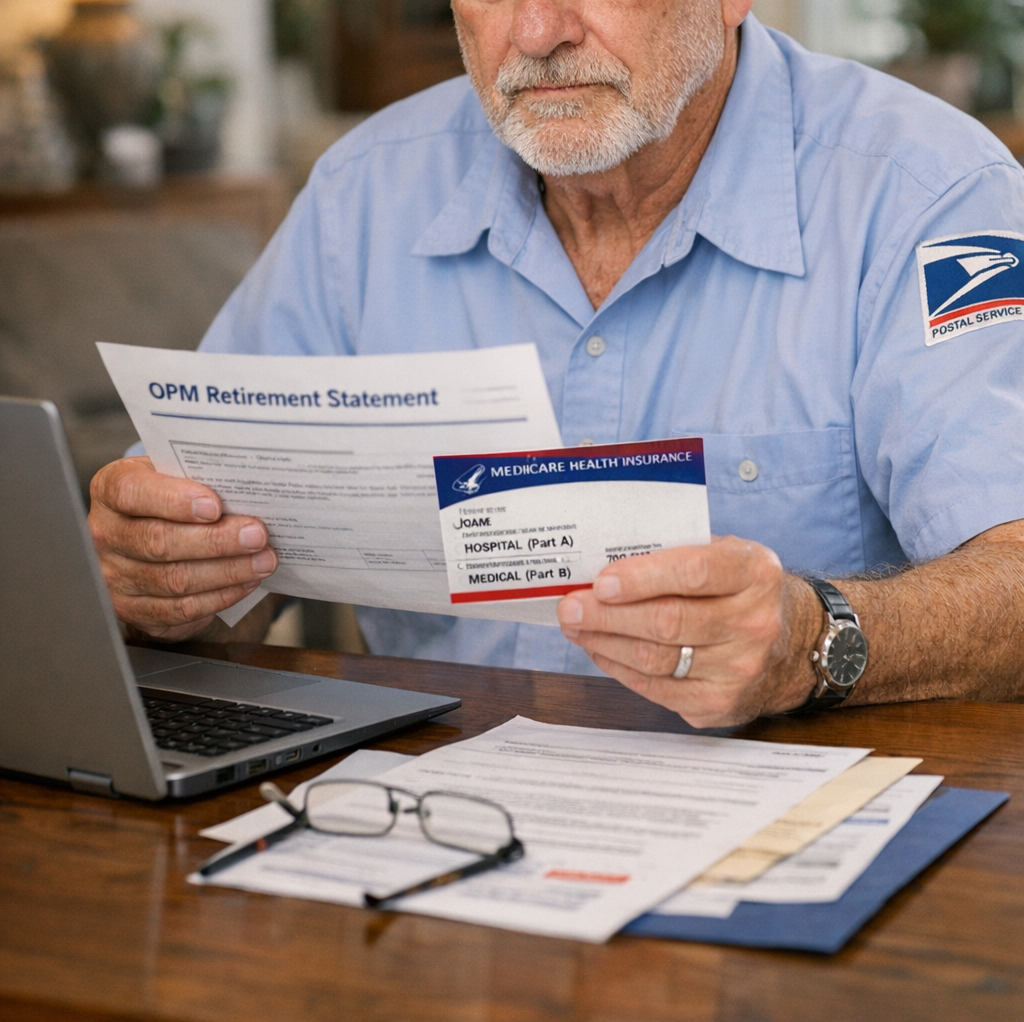
For most USPS retirees, enrolling in Medicare Part A and Part B is now a requirement if you are eligible for Medicare and maintain PSHB coverage. This rule started when the PSHB program began in 2025. If you will be turning 65, or are already 65 or older, you need to plan for timely Medicare enrollment unless you qualify for a waiver. Not enrolling could mean losing eligibility for PSHB in the future.
Coordination rules for PSHB and Medicare
PSHB and Medicare work together to cover your health expenses. In most cases, Medicare acts as the primary payer, with your PSHB plan covering costs not paid by Medicare, such as some copays or coinsurance. Coordinating the two helps protect you from unexpected out-of-pocket costs. It also means you need to keep both your PSHB and Medicare coverage active for the best protection as a USPS retiree.
Common Myths About Doctor Access
Myth: You must change doctors
It’s common to worry that switching to PSHB means you must find a new doctor. The reality is, many provider networks overlap between FEHB and PSHB plans. However, some networks might change, especially if you enroll in a different plan. Always check with your new PSHB plan or provider network before assuming you must switch.
Myth: Retirees lose coverage after 2025
Another rumor is that retirees would lose coverage entirely after the switch to PSHB. In truth, as long as you meet eligibility rules—including Medicare Part B enrollment if required—and enroll in a PSHB plan during open season, your coverage will continue.
Fact: Provider networks may update
Networks can change from year to year or between plans. Even if you keep the same insurer, you should verify annually that your preferred doctors and clinics are still in-network by checking the provider directory or contacting your provider’s office.
What Does PSHB Cover for Retirees?
Covered services for Medicare-eligible members
If you’re enrolled in both Medicare and a PSHB plan, most services covered by Medicare—like hospital stays, doctor visits, preventive care, and prescription drugs—remain covered. Your PSHB plan typically pays after Medicare, picking up costs that Medicare doesn’t.
Virtual care and telehealth inclusions
Virtual care and telehealth have become standard benefits in many PSHB plans. This means you can access healthcare from home, whether for a routine checkup or mental health visit. Check your plan’s specific telehealth options every year to ensure your needs are met.
How Do I Avoid Common Enrollment Mistakes?
Be aware of PSHB deadlines
Missing deadlines is one of the biggest risks for losing coverage. Make sure you know when open enrollment periods occur—usually each fall, with early notifications from OPM and USPS. Missing these can result in lapses, penalties, or limited options until the next enrollment period.
Checklist for PSHB and Medicare steps
Have a written timeline for Medicare Parts A and B enrollment, PSHB plan selection, and communication with your providers. Mark your calendar with government agency deadlines and reminders to coordinate your benefits without stress.
Key Differences: FEHB vs PSHB Plans
Plan structure and eligibility
FEHB is open to a broad range of federal employees and retirees. PSHB, however, is designated solely for USPS employees, annuitants, and eligible survivors. The structure of benefits is similar, but eligibility and required coordination with Medicare are unique to PSHB.
Coverage integration with Medicare
FEHB and PSHB both work with Medicare, but PSHB actively requires Medicare Part B enrollment for most retirees, whereas FEHB has no such mandate. This creates different timelines, paperwork, and potential penalties if you miss Medicare deadlines when you become eligible under PSHB.
Do I Need to Change Plans or Doctors?
How to verify doctor participation
To ensure you can keep your doctor, always check with your PSHB plan’s provider directory. Alternatively, call your physician’s billing office. Confirm they accept your plan and are considered in-network. Don’t wait until you need care to check—verify ahead of time for a stress-free experience.
Where to check updated provider lists
Provider directories are published online by each plan, often with search tools by name, specialty, or location. OPM and USPS will also provide links to these directories during open enrollment each year. Bookmark these sources and check them anytime you consider switching plans.
Checklist: PSHB and Medicare Enrollment Steps
Step 1: Confirm your eligibility
Review your annuitant status and ensure you’re eligible for PSHB and Medicare. You can check with OPM or through your USPS retirement communications.
Step 2: Review PSHB plan choices
During open season, look over all available PSHB plans. Compare costs, coverage, provider networks, and member resources before choosing.
Step 3: Coordinate benefits with Medicare
If you’re eligible, enroll in Medicare Parts A and B and keep both Medicare and PSHB coverage active. This ensures your claims are paid promptly and you receive full coverage benefits.
Step 4: Meet all PSHB deadlines
Mark the annual open season on your calendar and apply any required forms before the deadline. Missing it can delay or limit your coverage options.
Step 5: Verify provider networks
Every year, check that your preferred doctors and clinics remain in-network. Contact the plan directly or use their website directories for the most accurate information.