Does My Specialist Take Federal Plans? Pros & Cons of Verifying PSHB Access
Key Takeaways
- The PSHB program aligns with Medicare to offer continued coverage for eligible domestic partners in 2026.
- Understanding rules and timing is crucial; missing enrollment deadlines can impact coverage for federal retirees and their partners.
Navigating healthcare as a federal retiree often means managing big changes, especially with new rules for the Postal Service Health Benefits (PSHB) program. If you rely on domestic partner coverage and want a smooth transition from FEHB into PSHB and Medicare, knowing the integration steps can help you keep your benefits secure. Here’s what you need to know for 2026 and beyond.
What Is PSHB and Medicare Integration?
PSHB background and key facts
The Postal Service Health Benefits (PSHB) program began on January 1, 2025. It specifically serves U.S. Postal Service (USPS) employees, retirees, and eligible family members. PSHB replaced the coverage that USPS employees and eligible retirees previously had under the Federal Employees Health Benefits (FEHB) program.
With the start of PSHB, USPS retirees now have new plans tailored to their needs, and these plans are administered in coordination with the Office of Personnel Management (OPM). Coverage aligns with Medicare when members turn 65, which helps coordinate benefits and reduce out-of-pocket costs.
Medicare basics for federal retirees
Medicare is a federal program for people aged 65 and older, or those with certain disabilities. It has multiple parts:
- Part A: Hospital insurance, usually premium-free if you or your spouse paid Medicare taxes.
- Part B: Outpatient and doctor visits, with a monthly premium.
For most PSHB enrollees, once you’re eligible for Medicare, you may be required to enroll in both Part A and Part B to receive full benefits from your PSHB plan. PSHB plans are designed to work with Medicare, helping to cover costs that Medicare does not.
How Does PSHB Serve Domestic Partners?
Definition of a domestic partner
A domestic partner is a person with whom you share an intimate, committed relationship and a common domestic life, but to whom you are not legally married. Definitions can vary, but for insurance purposes, domestic partnership generally requires living together for a set period, sharing financial responsibilities, and being able to demonstrate your relationship through documentation.
Eligibility requirements under PSHB
While PSHB follows many of the same family member rules as prior FEHB coverage, not all domestic partners are automatically eligible for PSHB benefits. You usually need to provide proof of domestic partnership through an affidavit or similar declaration. OPM and USPS guidelines determine whether your partner meets the criteria as a qualified family member for PSHB enrollment. It’s important to check the latest guidance each plan year, as eligibility rules can adjust.
What Coverage Rules Apply in 2026?
Domestic partners and enrollment guidelines
In 2026, PSHB continues its requirement that eligible domestic partners must be officially listed during the enrollment period. To be covered, your domestic partner must meet all the criteria and be properly documented within the appropriate window.
Key reminders:
- Only qualified domestic partners, as recognized by USPS and OPM, can receive coverage.
- Supporting documentation, such as affidavits or financial records, may be needed.
- Both current USPS retirees and upcoming retirees should verify their partner’s eligibility status before the next open enrollment period.
Transition from FEHB to PSHB
The shift from the FEHB program to PSHB was completed in 2025. As a retiree or near-retiree, you no longer enroll through the FEHB if you are tied to USPS service; PSHB is now your pathway. That means your current FEHB coverage does not carry over by default—you must actively enroll in PSHB and verify your family members, including domestic partners.
Coordination with Medicare remains central. If you or your partner are 65 or older, make sure both of you are enrolled in Medicare Parts A and B to avoid losing out on PSHB plan benefits.
Case Study: Navigating PSHB as a Domestic Partner
Background scenario overview
Let’s consider the case of Mark and Alex. Mark is a retired USPS worker, and Alex is his domestic partner. Both shared FEHB coverage in the past, and Mark will turn 65 in 2026. They want to know how to secure continued health coverage through PSHB and Medicare.
Steps taken during enrollment
- Confirm eligibility: Mark reviewed the updated OPM guidelines to confirm Alex still met PSHB’s definition of a domestic partner.
- Gather documentation: They prepared financial records and signed the required affidavit to prove their partnership.
- Enroll during the window: Mark logged onto the official benefits portal during Open Season and added Alex as a family member for PSHB coverage.
- Medicare steps: As Mark was turning 65, both he and Alex checked their Medicare status. Mark enrolled in Parts A and B, following PSHB’s requirements.
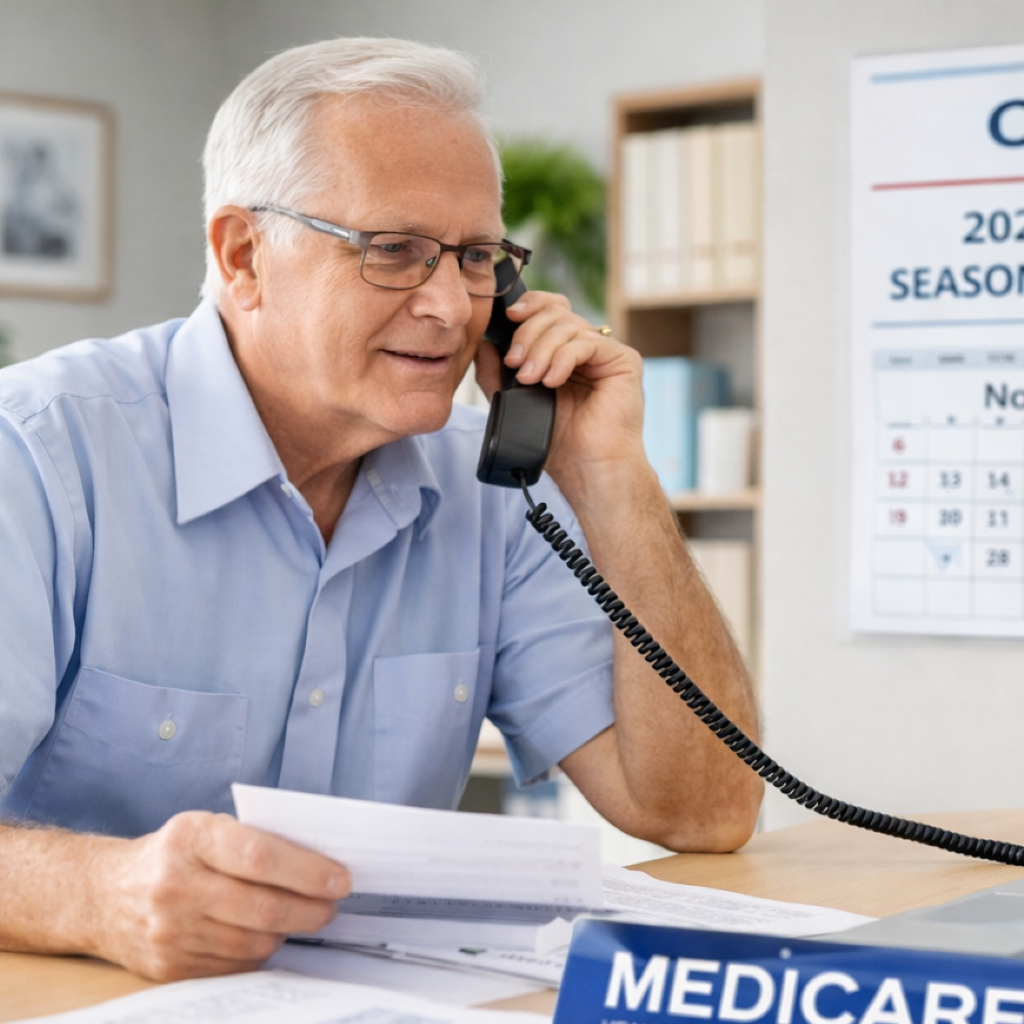
- Verification: After submitting everything, they called the USPS benefits center to confirm Alex’s enrollment was complete.
Lessons learned from the case
- Starting early eased the process and allowed time to find documents.
- Double-checking eligibility requirements for domestic partners under PSHB prevented missed deadlines.
- Confirming Medicare parts were active was crucial to seamless integration and avoiding claim denials.
- Speaking directly with a representative clarified steps and provided peace of mind before Open Season ended.
What Happens if You Miss Enrollment?
Potential consequences for coverage
Missing the PSHB enrollment window can have serious impacts. If you fail to enroll your domestic partner—or do not provide adequate documentation—they may lose access to federal health benefits until the next Open Season or qualifying life event. This interruption could result in gaps in needed medical care and higher out-of-pocket costs.
For Medicare, if you delay enrolling in Part B, you may have to pay a late penalty and could face a gap in coverage until the next Medicare General Enrollment Period.
Options for late enrollment
If enrollment is missed, you may be able to:
- Qualify for a Special Enrollment Period if you experience certain life events (like loss of other coverage).
- Reapply during the next Open Season and submit all documentation properly.
- For Medicare, check if a special event or miscommunication makes you eligible for extra time.
However, these opportunities are limited. It’s recommended to keep track of deadlines and paperwork in advance, and reach out to official resources for assistance if any detail is unclear.